Quick Answer
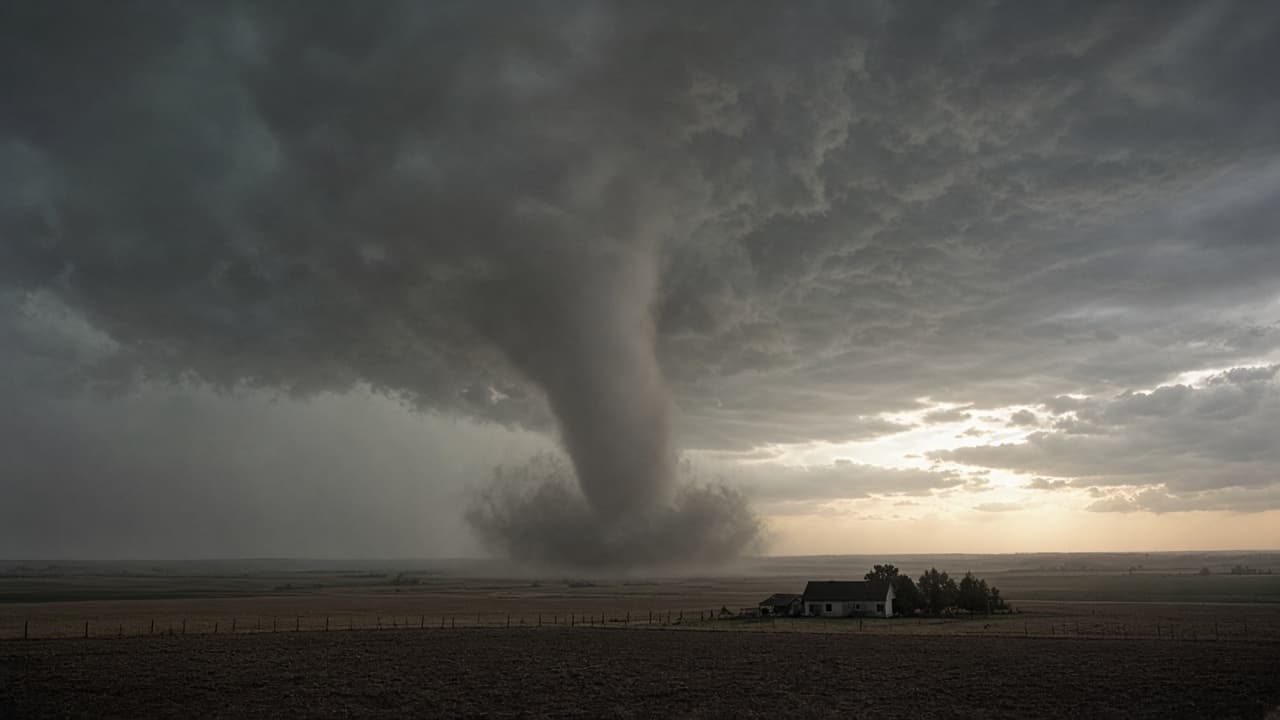
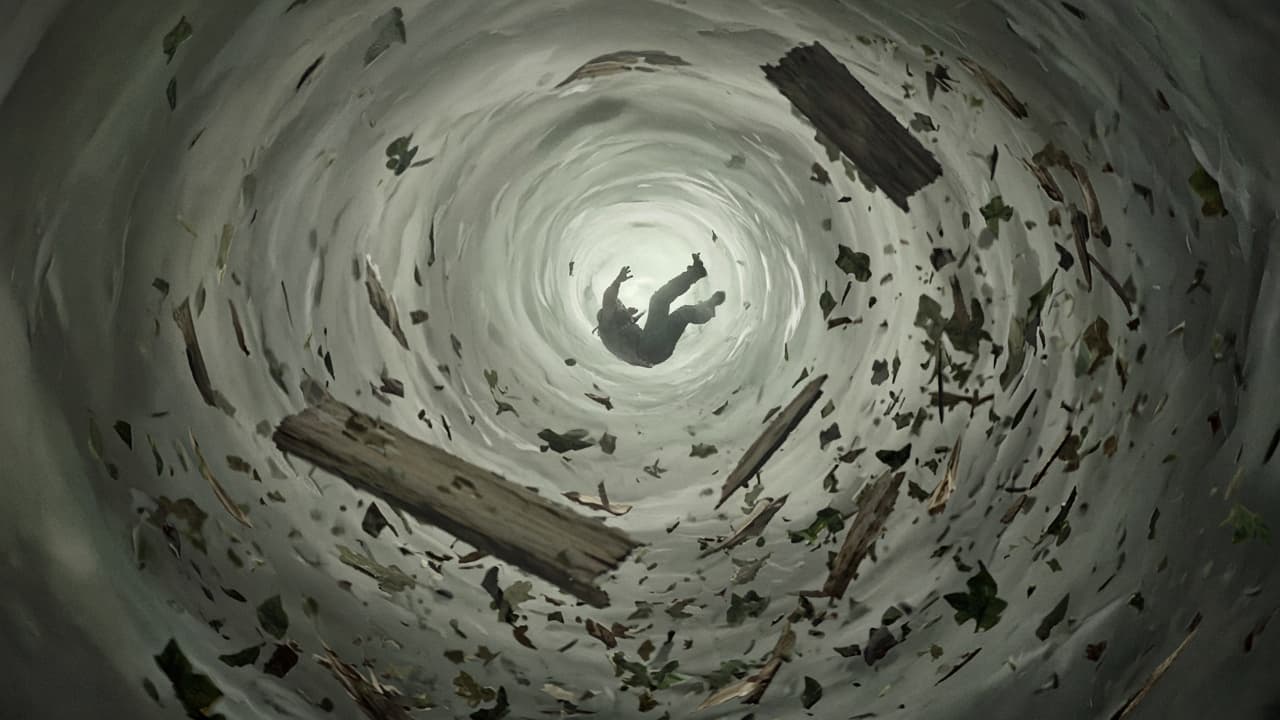
Being in a tornado is occupancy of the funnel. You are not on a porch watching a tornado cross a field. Debris is at face height. Wind is a wall. The ground may leave you. This is overwhelm from the inside, which is why it feels different from storm-as-spectacle. What you held onto, whether you could breathe, and how you came out decide the reading.
Not a weather forecast. A location.
Inside the Funnel
Grey-green, a tube, the sense of a centre that is not safety. Sound that is around the skull rather than approaching.
Inside is the meaning. The crisis is no longer "coming." You live in it. Jobs in collapse, families in a fight that has no outside, illness weeks, political seasons, addictions in their weather. If you could still see a slice of ordinary sky, a little outside remained. If the walls were only debris and cloud, the outside is gone for now.
People who dream this after actually being in a storm should start with that. The rest of us are using the only image that matches 360-degree force.
Debris
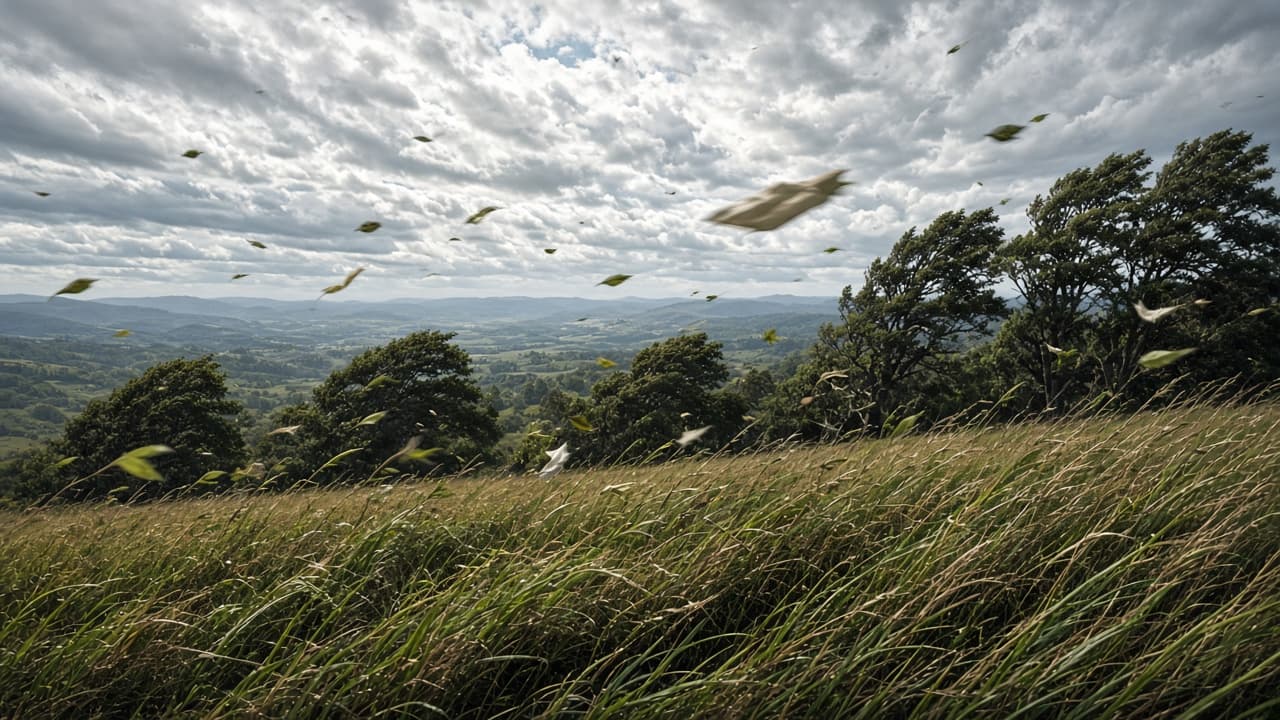
Wood, metal, a bicycle, a photograph, a piece of someone else's house. Objects that had contexts.
Debris is contents of lives unhoused. Your stuff and other people's stuff in the same spin. That is how social overwhelm feels: not only your problems, a neighbour's roof in your air. If you were hit (keep it non-graphic: a knock, a bruise in the story), a particular object may be the one to name in the morning, a document, a toy, a tool. The dreaming brain is not always random about which piece of house it throws.
Trying to catch a meaningful object while spinning is a grief-and-priority scene. You cannot save the whole house. You are choosing.
Lifted: Flying That Is Not Freedom
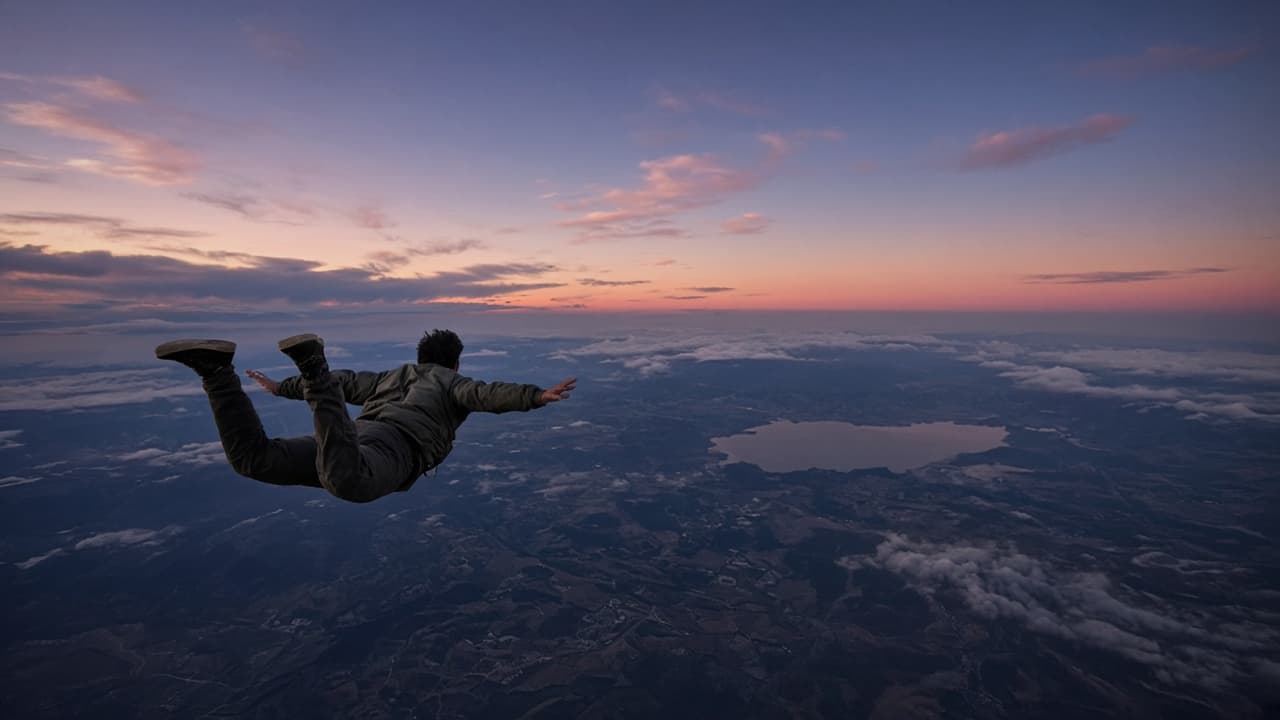
The ground lets go. You fly the way laundry flies.
This is not mastery-flight. It is closer to falling with a horizontal. Agency is the fork. Steering a little is a person who still believes they can aim inside chaos. No steering is surrender, or exhaustion. Looking down at your house while lifted is a self seeing a life from outside because the inside is uninhabitable.
If lift felt ecstatic, the dream may be mixing terror with relief at leaving the ground of a stuck life. Both can be true. You do not have to pick a moral.
With Other People in the Spin
A child's wrist. A partner's coat. A stranger you decide is your job.
Shared funnel is household crisis. Who you held is attachment. Who slipped is a fear you already have about a particular person in a particular storm. If everyone was calm, the family may have a culture of "we do chaos like this." If you were the only one panicked, you may be the designated feeler.
Trying to pull someone in, or push them out to safety, is care under impossible physics. The dream is allowed to show that care does not get Newtonian fairness. Waking plans still can: who you actually call, who you actually pick up from school.
Have a Being In A Tornado dream of your own?
Write what you remember and get a clear reading.
No Shelter, Because Shelter Is Behind You
You are not looking for a basement. The basement was a previous scene, or a wish. You are already in the air.
This is the distinction from the hub page's "taking shelter" dreams. Occupancy means the window for shelter closed. In waking terms: the conversation already exploded, the diagnosis already arrived, the resignation already sent. Coping is now in-event coping, not prevention.
If you still scanned for a ditch, a scrap of prevention remains. If you stopped scanning, you are in endurance. Neither is a character flaw. They are phases.
Sound and Pressure
A train, a roar, ears that will not equalise, the swallow that will not work.
Sensory tornadoes are body-state dreams as much as weather. Panic physiology and storm memories share a palette. If you woke with a headache or a tight chest, rate the body. If you have lived through a real funnel, this channel can be trauma-replay even when the plot is short.
Pressure without much visual is still "inside." You do not need a perfect CGI funnel for the location to count.
Coming Out the Other Side
Sudden quiet. A field. A street with leaves. Another cell forming.
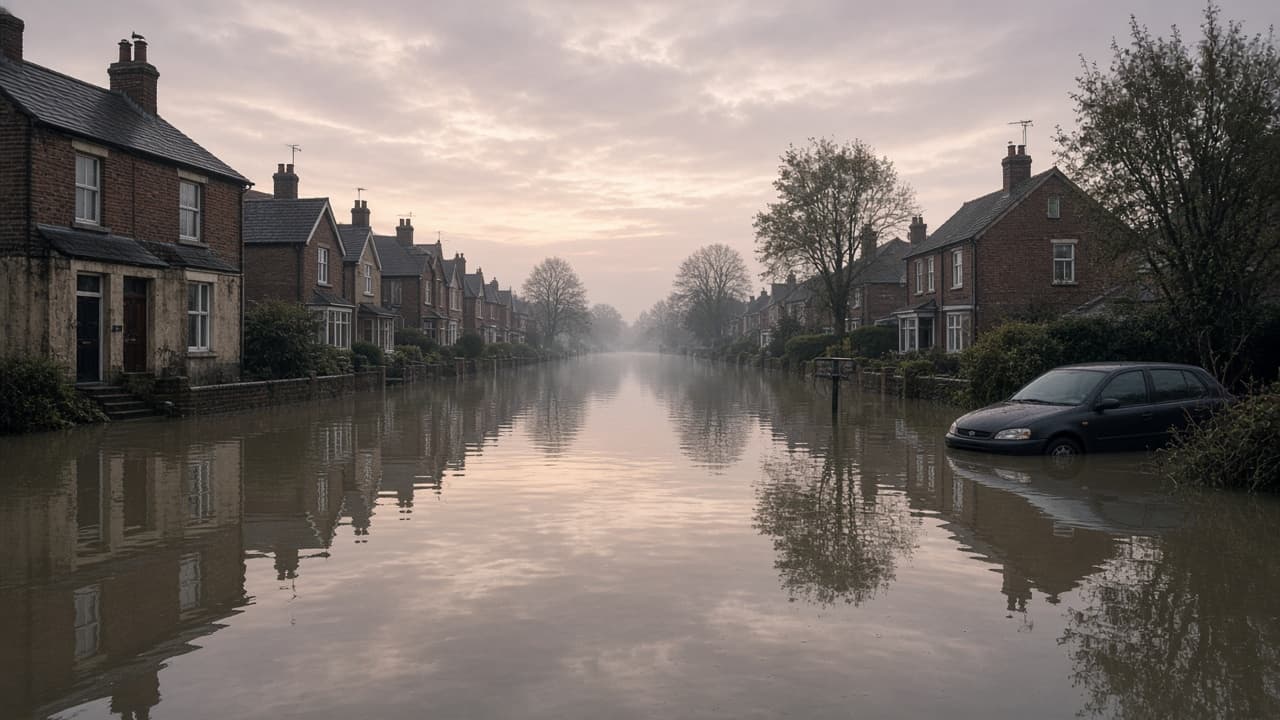
Exit is a picture of after. Wreckage-after is cost. Ordinary-after can feel wrong, like the dream skipped the bill. A second funnel is a season that is not done, storms as a pattern, not a day. If you walked into a house that was yours and intact, part of you believes a core held. If you could not find the house, identity relocation has mixed with weather; see also flood for a wetter inside-the-event cousin.
Helping others after you landed is a role: the one who becomes useful when the spin stops. That role can be a gift and a trap.
Psychological Meaning
Michael Nadorff, Amy Nazem and Dorianne Fiske's 2011 work on nightmares, insomnia, and symptoms in students is a reminder that nightmare frequency and sleep disruption travel together, and that distress, not merely having a dramatic image, is what predicts daytime trouble. Being inside a tornado is a high-distress image. If it is wrecking rest, treat sleep as the problem to treat.
Hartmann's central-image idea still fits: a funnel from the inside is a picture chosen for scale. Continuity fits people in tornado regions and people who watched a cell on a phone at dinner. Subtract the news. What remains is usually: I am not on the porch.
Threat-simulation explains the rehearsal of not dying. It explains less well the quiet after, which is more like a mind trying to pre-live an ending.
If You Keep Waking Inside the Funnel
A repeating interior tornado usually means the waking event is still in session. Name the storm in prose without weather: the job, the marriage chapter, the illness month. Then pick an in-event action, not a porch action, you are past "watch the sky."
If rest is broken, imagery rehearsal can change the ending (a landing, a handhold) without pretending you were never in the air. You do not need a darker forecast. You need a way to be in a real week that is already loud, with one thing to hold onto that is not debris.