Quick Answer
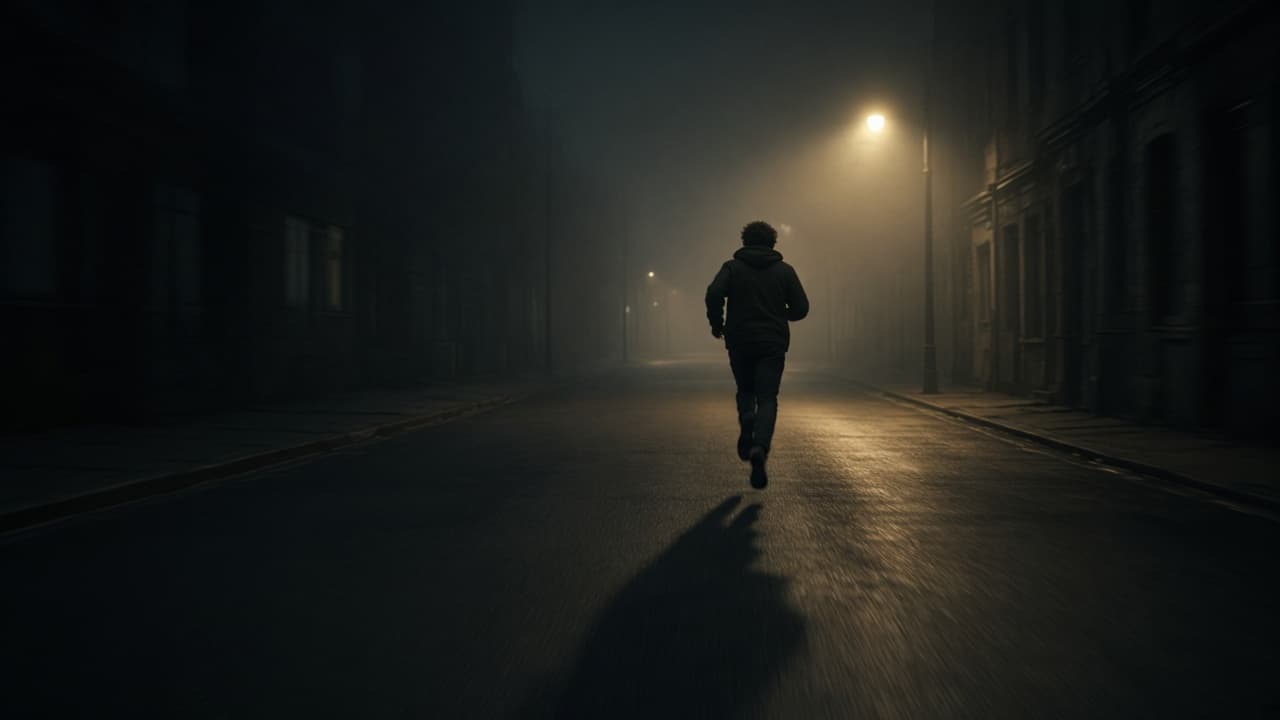
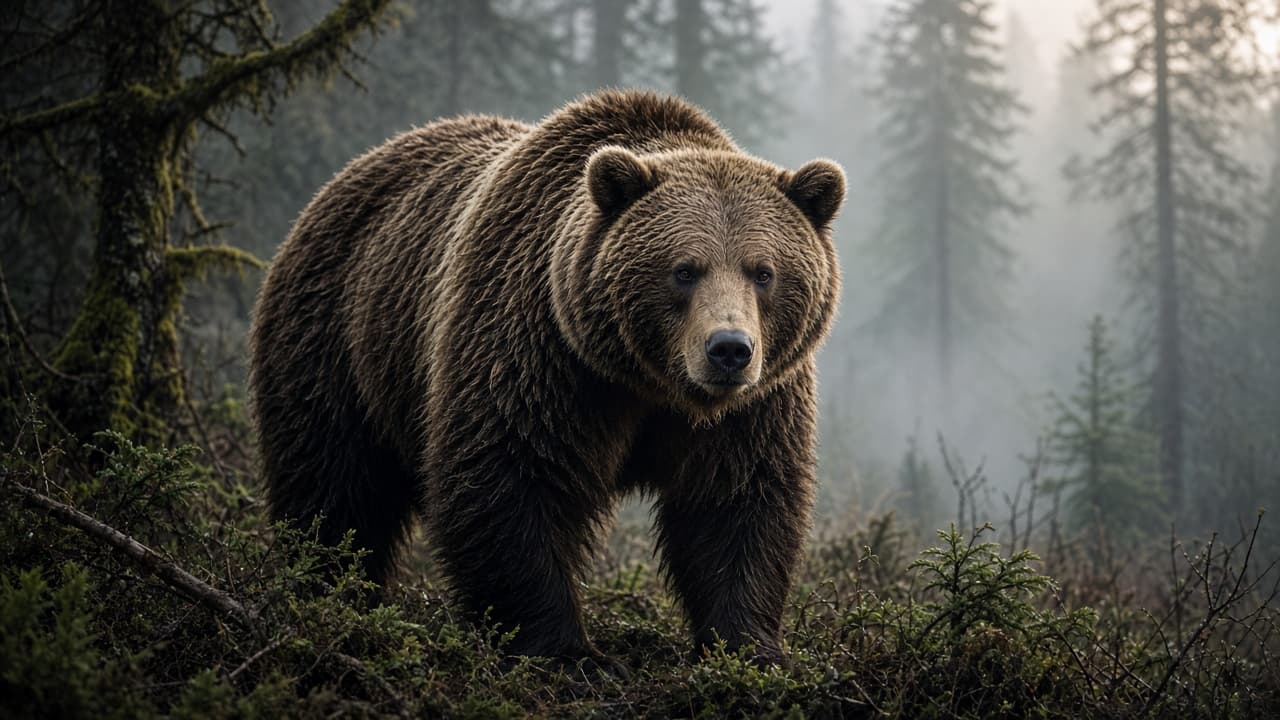
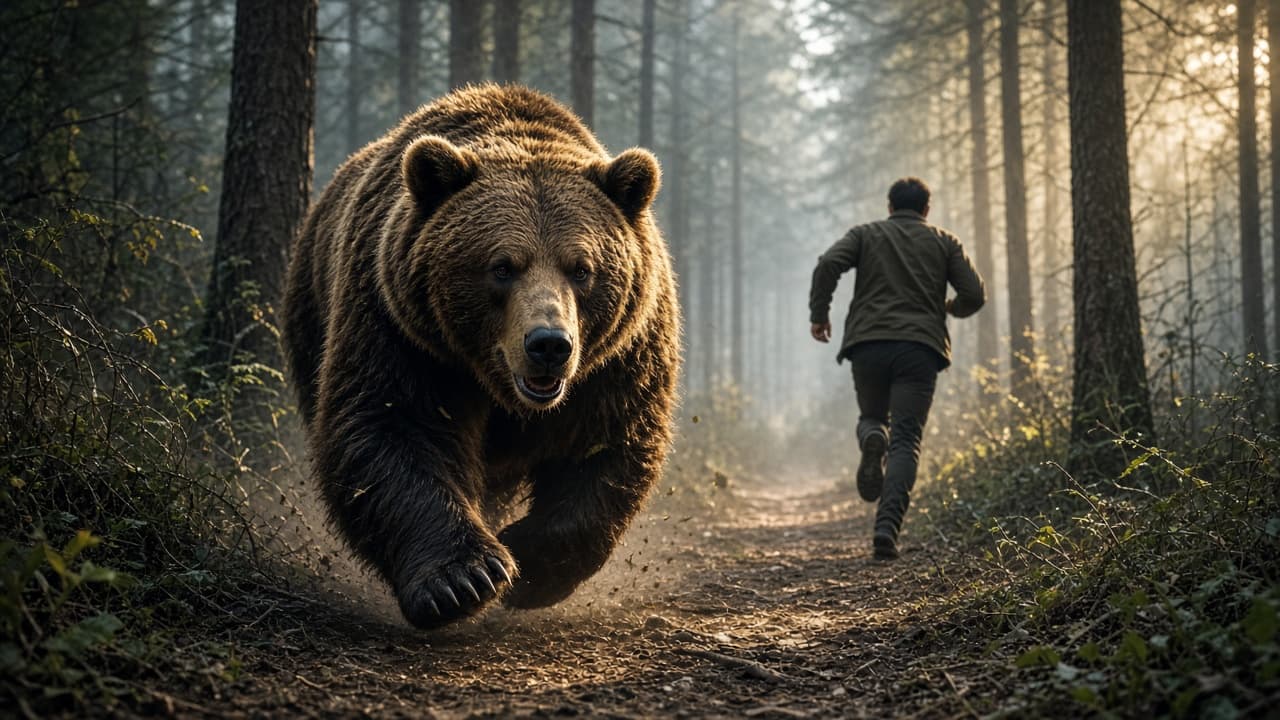
[Being chased](/dreams/being-chased) by a [bear](/dreams/bears) is a chase with a particular physics. Bears are heavy, fast over short ground, able to climb or not depending on the story you loaded, and wrapped in folklore about playing dead. That folklore is part of the dream's furniture. It is not a camping exam you failed. Read the species if you knew it, the terrain, and the strategy you used: [running](/dreams/running), freeze, climb, fight, or the theatrical death.
Running Through Trees
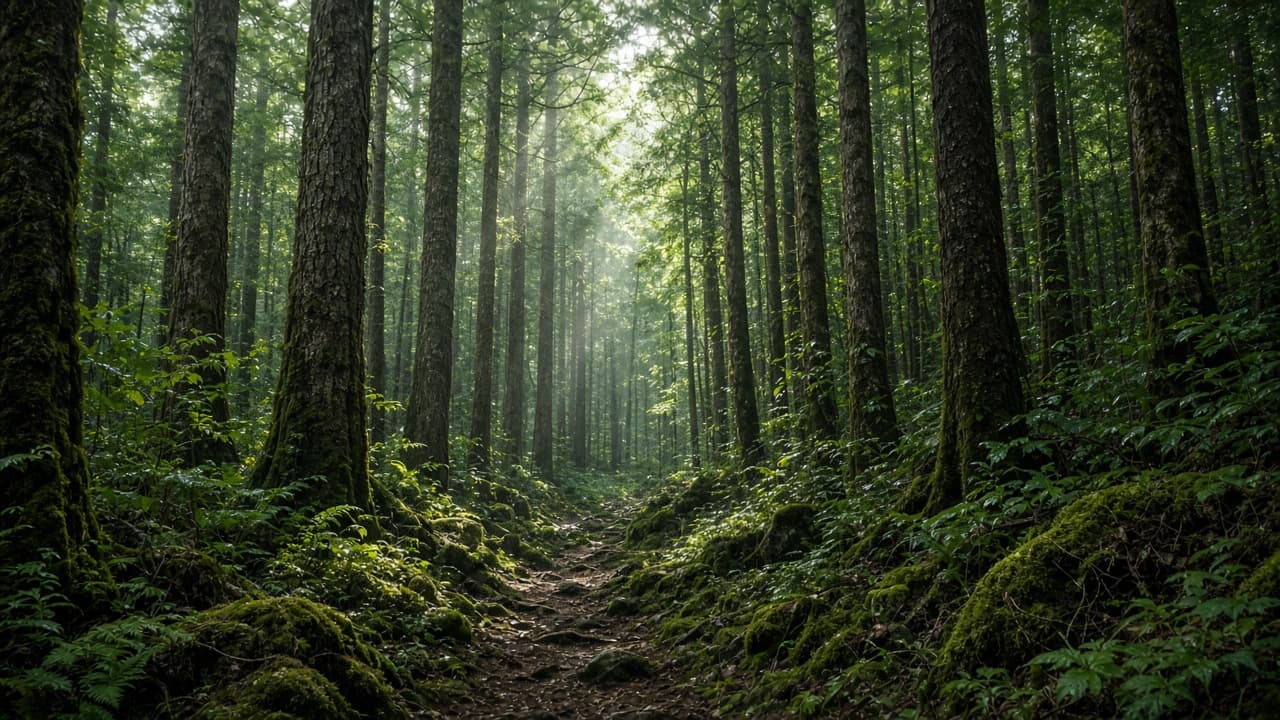
A forest, roots, a slope, breath that will not last. The bear is behind you and not a maybe.
Straight-line running from a bear is a poor wildlife plan and a common dream plan, which is already the point: you are using a human default on a problem with different rules. Career threats, family rages, depressions that hunt, a body that is changing, you try speed. Speed is what you have.
If the trees helped, you still believe in cover. If the trees slowed you, the environment is on the bear's side. Waking with burning legs is leftover effort, not a prophecy of a hike.
Playing Dead
You go down. You make yourself not-food, not-threat, not-moving. Sometimes it works. Sometimes the snout stays.
Play-dead is the folklore the dream came to try on. In waking life it is fawning, dissociation, "do not give it a reason." People raised around explosive parents know this strategy in their bones. It can be the thing that kept you alive in a house. It can be the thing that is now costing you a life.
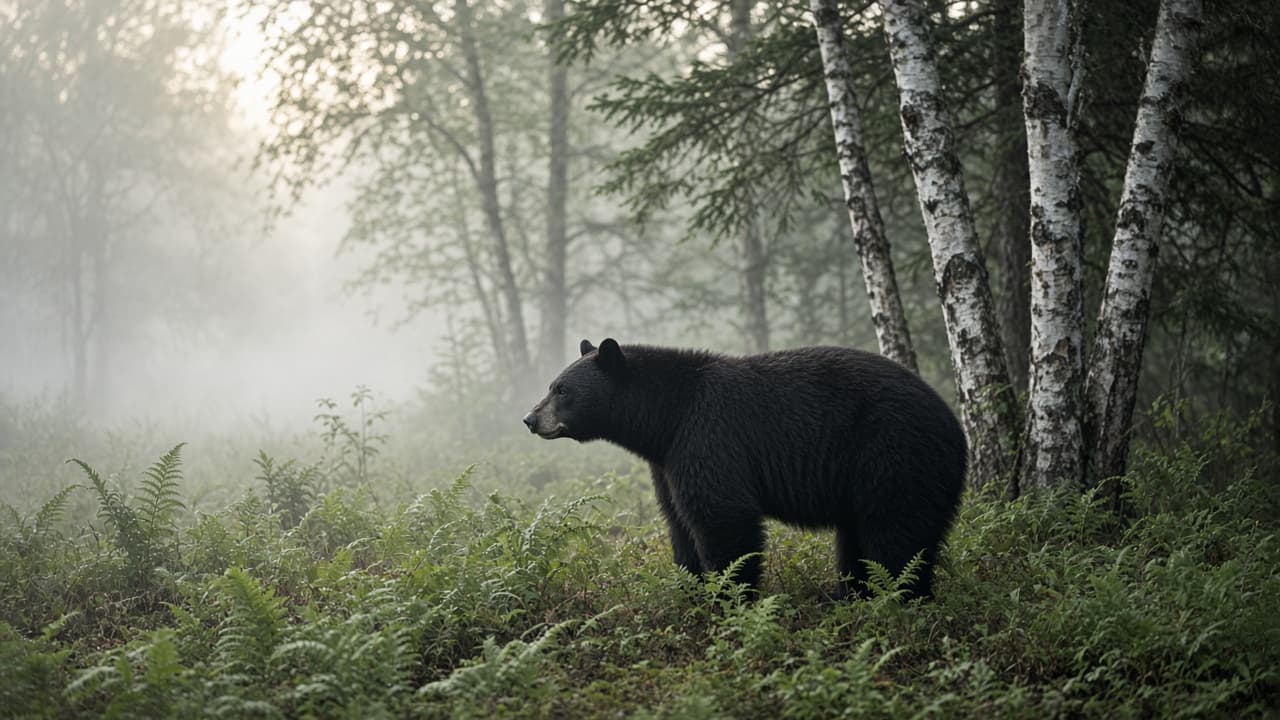
If the bear lost interest, the strategy is still paying out, and you may hate that it does. If the bear did not, the dream is telling you that not-existing is no longer a plan. Compare a black bear page for species folklore; here the act of performing death is the content.
Freeze Without the Theatre
You stop. No performance of carcass. Legs will not. Mind is very loud.
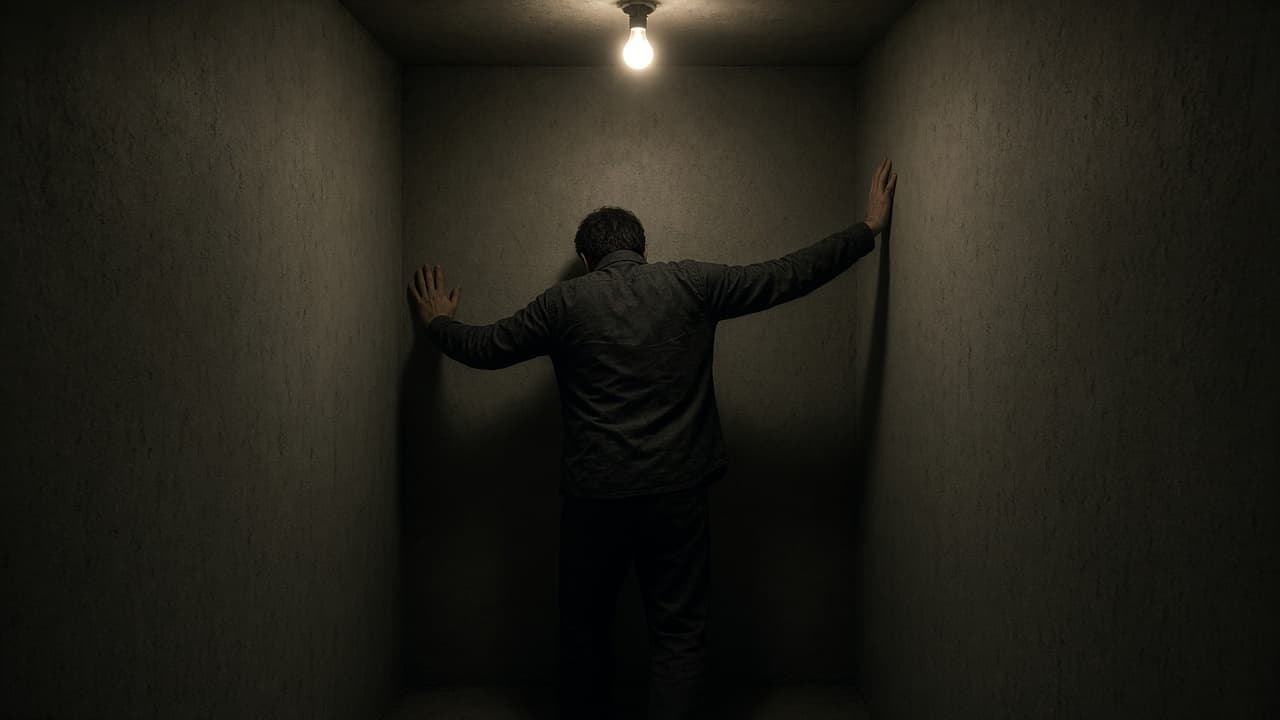
Freeze is not play-dead. Play-dead is a choice with a script. Freeze is a nervous system taking the wheel. Trapped without a wall. Threat-studies call it tonic immobility; you can call it the moment you became scenery.
If freeze is your repeating move, the waking analogue is often meetings, phone calls, a particular person's footsteps. The dream is not mocking you. It is showing you the first tool that loads. Other tools, leave, speak, climb, may need practice in daylight before they will appear at night.
Climbing
A tree, a fire escape, a rock. Up as a plan. Bears in some stories follow.
Vertical escape is a bid for a different dimension: get out of the social plane where the threat lives. Promotion, spirituality, a move to a city, becoming "above it." If the bear could not climb, the bid worked in the dream and may be worth a waking version. If the bear came up after you, the force has access to your usual exits.
Dropping something, food, a bag, a child in the worst nights, is the dream pricing what you would sacrifice to get off the ground. That pricing is information. It is not an instruction.
Have a Being Chased By A Bear dream of your own?
Write what you remember and get a clear reading.
A Mother Bear and Cubs
You came between. The chase has a reason the dream considers fair.
Maternal-territory chases are about violating a care system, or being mistaken for a threat to one. Step-families, workplaces with a protected favourite, your own fierce protection of a project or a child. You may be the trespasser. You may be the cub. You may be both across the night.
If you were trying to show you meant no harm, you already know the waking conversation. If you were angry at the unfairness of being chased for proximity, the territory rules were never explained to you. That is a family, not a forest.
The Bear Catches You
Contact. Weight. Sometimes pain, sometimes a strange conversation, sometimes the bear is suddenly a person you know.
Arrival. The chase strategy is over. A mood you cannot outrun becomes your life. A person you avoided is in the room. A body of work lands. Mauling is overwhelm. A calm pinning is capture without drama, which can be relief. A bear that becomes a relative is the mask coming off: the bulk had a name.
Being carried rather than hurt is a complicated gift, the force has you and is not using teeth. Ask whether waking life has a version of that: a job, a love, an institution that could crush you and is currently choosing not to.
You Turn and Meet It
The rare night. You stop fleeing and look. A stand. A shout. A stick that is not enough and is still a stick.
Turning is a change of strategy mid-dream, which is a change of strategy in the person. People in therapy, in breakups, in recoveries get this more as the series matures. It is not heroism as a brand. It is the decision that running has a cost too.
If the bear then sat down, the threat may have been partly a pursuit you were feeding. If the bear still came, turning was dignity, not magic. Dignity is allowed to be the whole meaning of a night.
Psychological Meaning
Antonio Zadra, Sophie Desjardins and Éric Marcotte, in their 2006 study of chase dreams, found that pursuit dreams are among the most frequently reported threatening scenarios, and that the dreamer's responses, running, hiding, fighting, freezing, vary in ways that track waking coping more than they track a single decoded "bear equals anger" rule. A bear, specifically, adds Hall-and-Van-de-Castle bulk: a wild mammal, high threat, often associated in waking culture with mothers, wilderness, and a force you should not try to out-sprint.
Revonsuo's threat simulation explains why the image is available. Continuity explains the documentary, the park sign, the actual black bear on a trail. Folklore about species-specific responses explains why so many dreamers narrate a policy. The useful move is to treat the policy as yours. Freeze, play-dead, climb, and run are four relationships to overwhelming force. The dream is showing which one is staffed at 3 a.m.
A bear chase does not schedule an attack in the woods. It asks what in your life is bigger than your sprint, and whether your current wildlife plan is still the one you want.
After a Bear Chase
You do not need a totem reading. You need a map of the strategy.
If you always run, ask what would happen if you used a door, a sentence, a person, instead of speed. If you always play dead, ask whether that skill is still earning its keep or only costing air. If the bear keeps catching you, the waking situation may already be a relationship; treating it as a chase is the delay. Forests in the repeating series often mean you still think the problem is wilderness. Sometimes it is a house.