Quick Answer
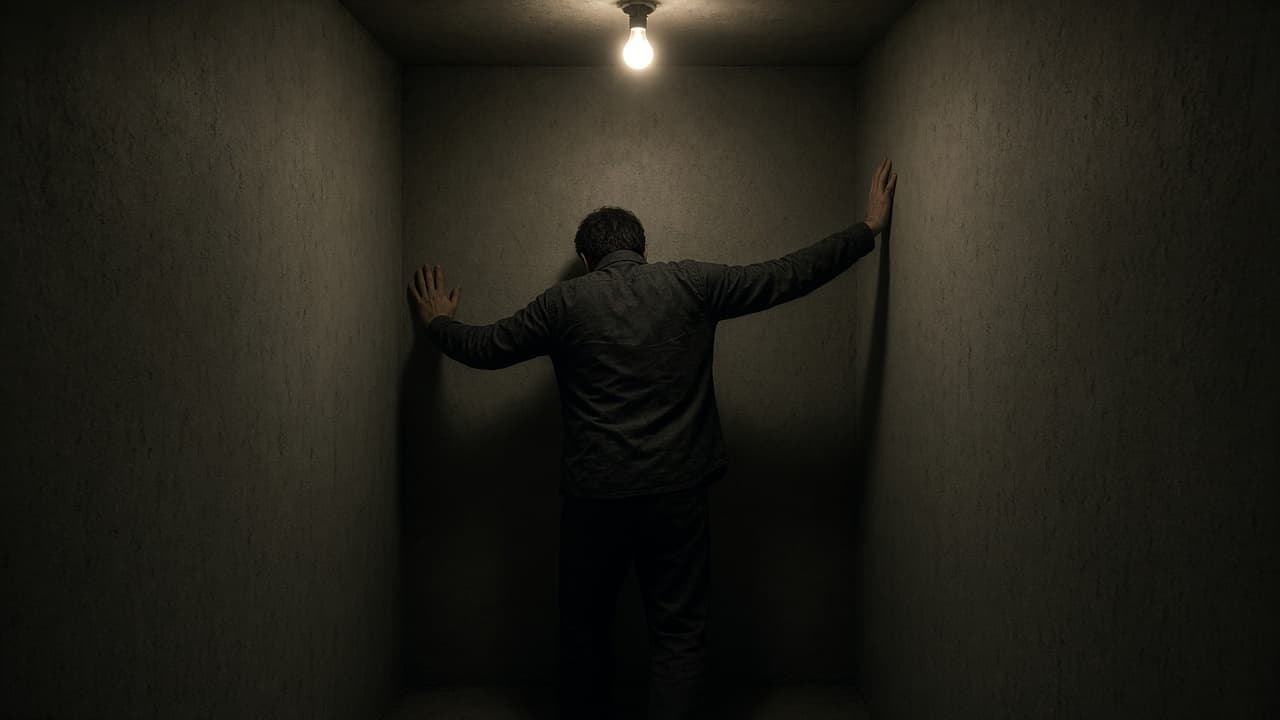
Being held hostage is not the same as being trapped in a lift. You are a bargaining chip. Time belongs to someone else. There are rules. A captor, a door, a clock, and often a third party who might "pay." The dream is educational about leverage, not a prediction of crime. What you did while waiting, obeyed, negotiated, planned, went blank, is the reading.
Related taking-scenes live on being kidnapped. This page is the holding.
Bargaining Chip
The plot only works if you are worth something to someone who is not you. That is the insult and the information.
Waking analogues are rarely cinematic. A job that will not let you resign until a project ships. A family that uses your presence as proof the family still exists. A legal process in which your silence or your testimony is the asset. You are not free and you are not irrelevant. That combination is specific.
If the captor named a price, recover the price. Money, a confession, another person delivered, waiting until a date. Dream prices are often embarrassingly close to real ones. If no price was named, the terror is often worse: you cannot buy the door because you do not know the currency.
Waiting
Hostage time is not chase time. The body is still. The future is not.
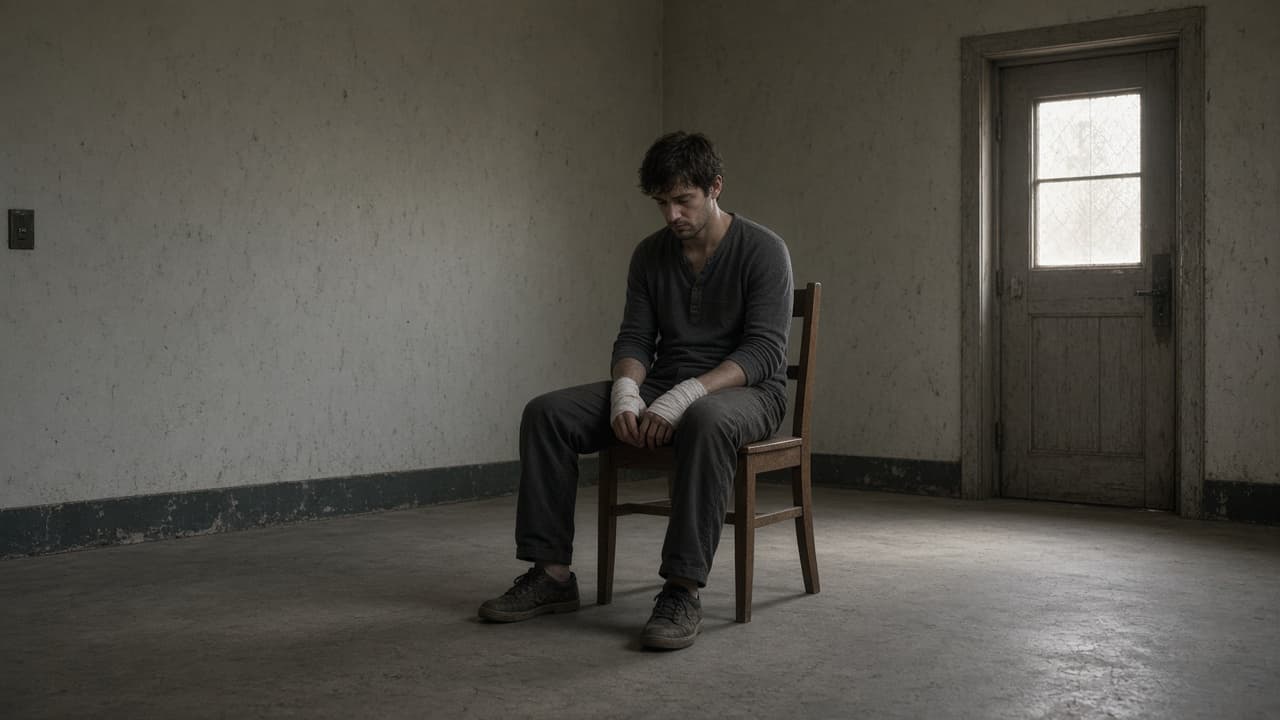
Waiting dreams show up around results, verdicts, visas, medical news, and any stretch where the next move is not yours. The room may be boring. Boredom in a nightmare is data: the threat is duration. People who are "fine" in a bad situation all day produce night versions where fine looks like sitting in a chair looking at a door.
What you waited for matters. Rescue is hope still assigned to others. A deadline is institutional. A captor's mood is personal tyranny. If you waited for night to fall so you could try the window, you still have a plan that has not been used.
The Captor's Rules
Do not speak. Stay in the chair. Eat when told. Smile for a camera. Rules are how captivity becomes a culture.
Following rules you hate is a common honest dream. It maps onto workplaces, households, and war-adjacent news worlds where safety is procedural. Breaking a rule and being punished is a test of the real cost of dissent. Breaking a rule with no consequence can be the dream's way of showing that the tyranny is already weaker than you act as if it is.
Who wrote the rules is worth naming in the morning. A single face is a person. A uniform or a badge is a system. A voice from a speaker is a system that will not show its face, bureaucracy, an algorithm, a family myth.
Other Hostages
A room of people changes the ethics. You are not only saving yourself. You are in a group under one clock.
Alliances in the dream are often unflattering and accurate. The person you distrusted may have been the one with the plan. The person you loved may have been the one who told you to sit down. Shared captivity is how families and teams actually feel during a crisis: not a single hero.
If you were responsible for a child's safety in the room, the dream is about care under someone else's rules. If you abandoned the group in the dream, waking guilt is usually about a real calculation you are making, career versus household, one sibling versus another, not about your essence.
Have a Being Held Hostage dream of your own?
Write what you remember and get a clear reading.
Negotiation
Talking to the captor is a different dream from hiding from them. You have entered the market.
Negotiation scenes cluster when you are already in talks: HR, a divorce solicitor, a parent, a landlord. What you offered is the tell. Offering money is concrete. Offering loyalty or silence is costlier and closer to the chip logic. Offering another person is the dream being brutal about a triangle.
If the captor seemed reasonable, do not rush to "they are not so bad." Reasonable captors are how binds last. If they seemed chaotic, the waking bind may be a mood rather than a policy, which is a different problem to solve.
Rescue, Escape, Release
Endings sort the strategy.
Rescue by police or friends assigns agency outward. These dreams often arrive when you have asked for help, or when you wish you could. Escape you performed yourself, a window, a lie, a moment the captor looked away, is rehearsing an exit you already partly believe in. Release without struggle (the door opens, you are told to go) can feel like a cheat and still be the right map for a contract ending, a visa arriving, a shift rota changing.
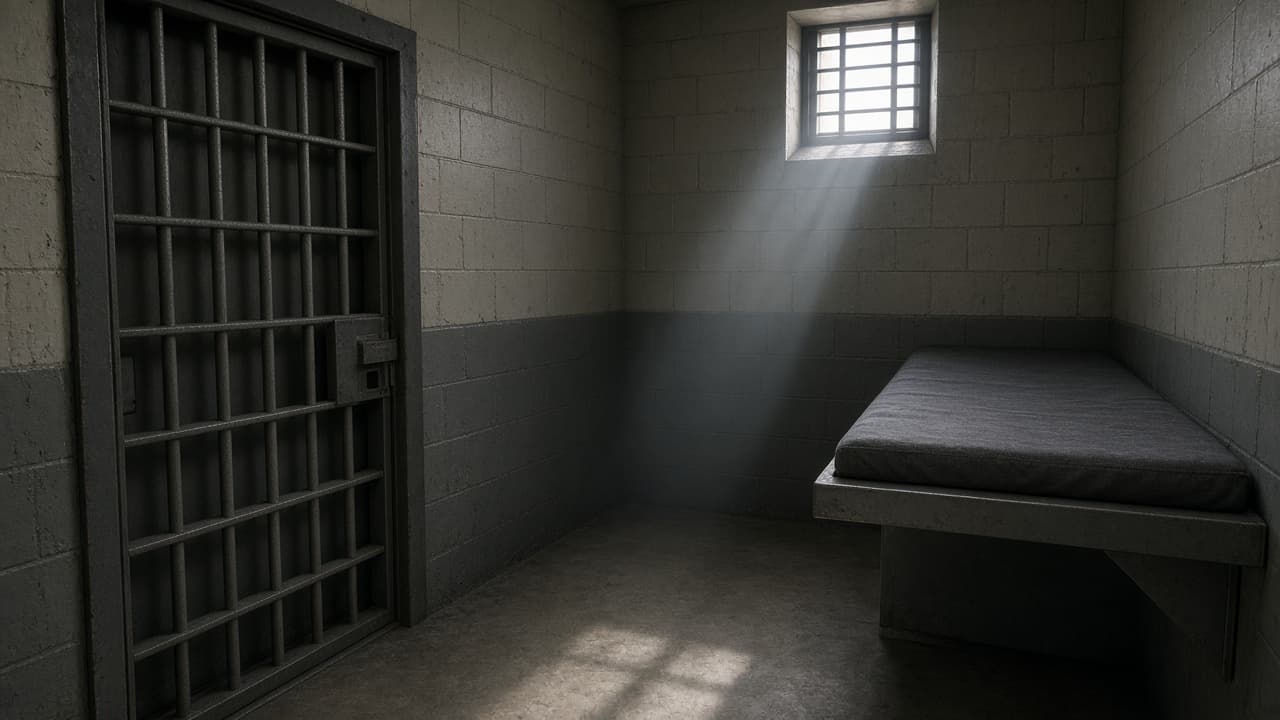
Failed escape that returns you to the chair is the rerun of a plan you have already tried in waking life. Try a different door in the day before you interpret the failure as fate. Going to jail is the cousin in which the rules are official; hostage rules are unofficial, which is why they feel dirtier.
The Captor Is Someone You Know
A known face collapses the movie. This is not "criminals." This is a relationship that currently holds the clock.
Bosses, parents, partners, and friends who control access (to money, to children, to reputation) get cast. The dream is allowed to be angry. It is also allowed to be loving and still accurate: you can love someone who is using you as leverage. That mix is why people wake confused rather than simply scared.
If the known captor was trying to protect you by holding you, the bind is "for your own good." Those are among the hardest to name at breakfast, and among the most useful to name.
Psychological Meaning
Ross Levin and Tore Nielsen's 2007 neurocognitive model of nightmares describes how waking distress and a sensitive imagery system combine to produce highly realistic threat scenes. Hostage plots are excellent at encoding stalled threat: high stakes, low locomotion, social rules. That is a different simulation from running from a killer.
People under institutional pressure, immigration, law, medicine, coercive workplaces, dream captivity more. So do people who consume crime media. Subtract the genre. What remains is usually a chip, a wait, and a rulebook.
If the content is a replay of a real crime, the model still applies, but the treatment path is clinical, not interpretive.
After the Hostage Dream Recurs
A repeating room with a clock usually means the waking negotiation is not over. Write the captor as a role if you cannot use a name. Write the currency. Write the rule you are currently obeying that you did not vote for.
One small reclaim of time, a boundary with a timestamp, a legal call, a shift swap, is more likely to change the night than a darker reading of the same chair. If sleep is wrecked, imagery rehearsal therapy is built for loops like this.