Quick Answer
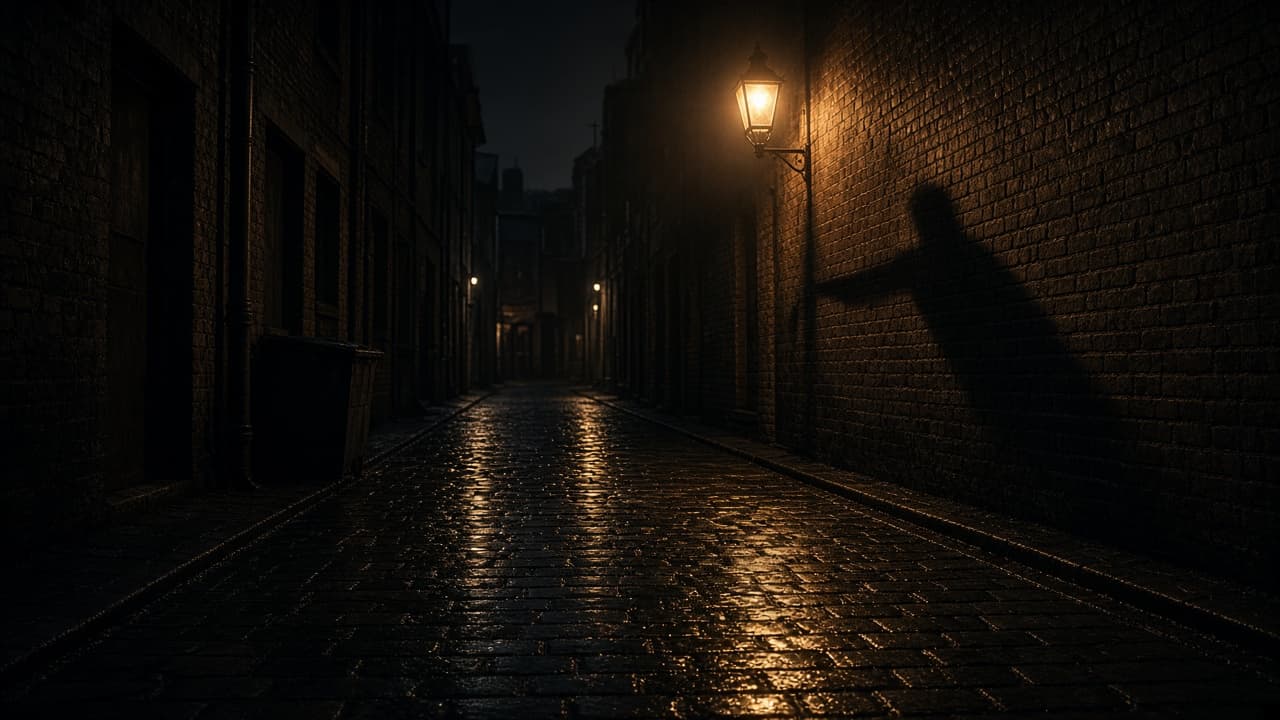
War in a dream is not a squabble and not a single [fight](/dreams/fighting). It is conflict that has become the weather: sides, [weapons](/dreams/weapons), no shops, no off-duty, nowhere that is just a street. The psyche uses it when a polarised situation has eaten the civilian parts of your life, family factions, a workplace that feels like a front, politics in the kitchen, an inner split with no remaining neutral. This is not a prophecy of national events. News saturates the image. Personal totality saturates it more.
You Are a Civilian in a War Zone
You are trying to buy bread, get a child home, cross a square. The plot is ordinary life under impossible conditions. Fear is about streets, not about tactics.
Civilian dreams map onto being caught between powers you did not enlist in: divorcing parents, two departments, a country's mood, a family secret with camps. You still have errands. The errands now require strategy. Helplessness is the signature, closer to being attacked without a duel.
If you were protecting family rather than yourself, caretaking under fire is the theme. If you were alone in a crowd of refugees, isolation inside a mass event is the theme.
Keep the picture non-graphic. The meaning is the loss of civilian space, not the spectacle.
You Are a Soldier, or You Have Been Enlisted
Uniform, orders, a unit, a job that is only the conflict. You may not remember joining.
Enlistment dreams mean the fight has become your occupation. A workplace dispute that is now your whole personality. A family loyalty that has you carrying water for a side. An inner war (sober versus not, authentic versus performing) that has stopped offering leave.
If the orders felt wrong and you followed them anyway, you may be in a role where belonging requires harm you do not endorse. If you were looking for a way to desert, a waking exit may already be under consideration. Desertion guilt in the dream is often belonging-guilt, not criminality.
War Arrives at Your Actual House
The front moves. Your kitchen, your childhood street, your city. The shock is category: this was supposed to be behind the lines.
Home-front dreams appear when conflict has crossed the last domestic threshold, a couple who used to keep fights out of bedtime, a parent who brought politics to the table, work that phones at midnight, a health battle that lives in the bathroom. The house as sanctuary has failed.
Who opened the door, and whether neighbours were already at war, tells you if you experience this as a private collapse or as a world that changed around you.
Separated From People You Love
Checkpoints, crowds, a missing child, a partner on the other side of a river or a uniform. The war is the obstacle to attachment.
These dreams are about bonds under polarisation. Families split by belief, by borders, by a care-versus-career fight, by a secret. You can love someone and be unable to reach them because the total conflict has occupied the road.
If you were the one who sent them away "for safety", you may be using distance as care. If they were on the opposite side and still yours, the dream is holding a complexity daylight slogans flatten.
Have a War dream of your own?
Write what you remember and get a clear reading.
Aftermath, Ruins, or a War That Has Just Ended
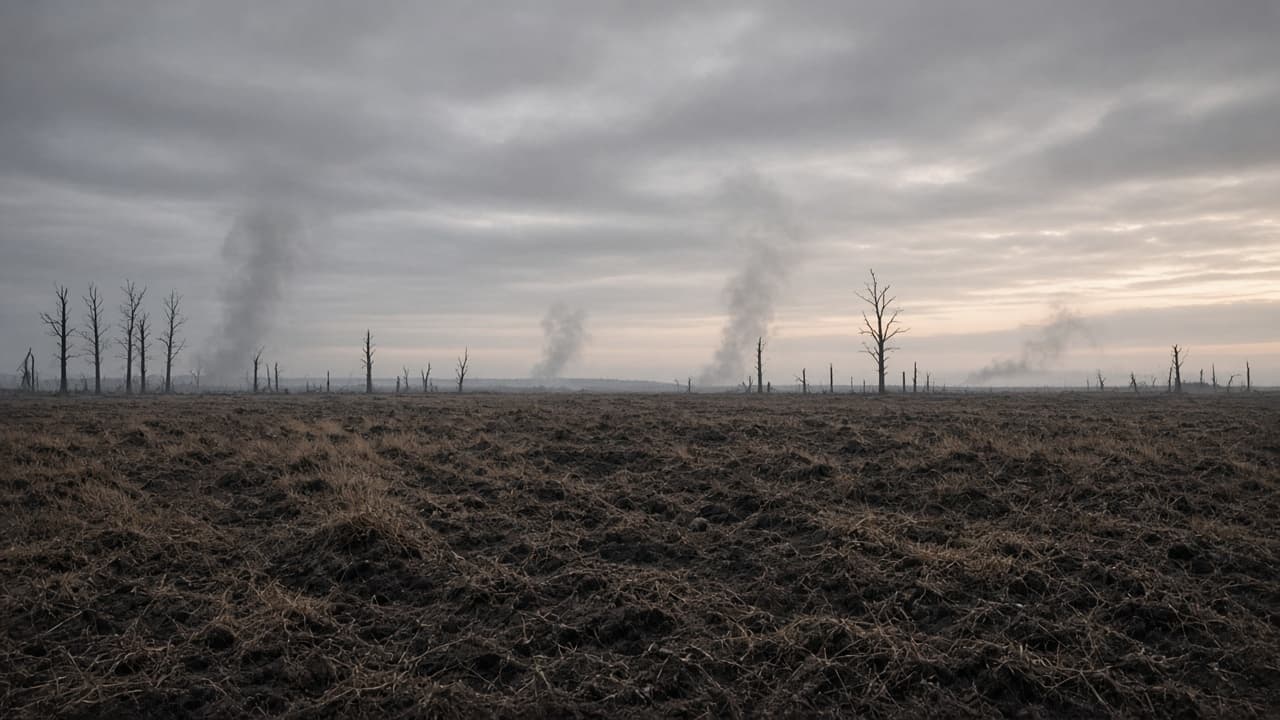
Quiet streets, dust, a building with its face off, people counting what is left. The dream starts after the noise.
Aftermath-only wars often mean the acute fight in waking life has already had its decisive week, a redundancy round, a vote, a diagnosis, a breakup, and you are in reconstruction. Shock and the strange boredom of rubble show up together.
If you were looking for a specific object in the ruins (a photograph, a key, a person), name that object in daylight. It is usually the continuity you are afraid the conflict actually took.
Choosing a Side, or Refusing To
A recruiter, a neighbour asking who you are with, a form, a colour to wear. The plot is allegiance.
Forced-choice dreams accompany polarising environments that punish neutrality: a family argument, a workplace clique, a public story. Refusing a side in the dream can feel like moral courage or like cowardice; both feelings are data. Some conflicts really do make neutrality a luxury. Some only pretend to.
If every side in the dream looked like a worse war, you may be looking for a third thing, leaving the town, changing the job, dropping the topic, that the dream could not yet picture as a place.
Watching War as News, From a Window, or on a Screen
You are not in it, and you also cannot look away. A television, a balcony, a feed.
Witness dreams are about mediated totality: a world that has entered the house through glass. They cluster when the news diet has become a second climate, or when you feel morally implicated in a violence you are not personally conducting. Helplessness here is political and psychological at once.
If you felt guilty for the safety of the window, that guilt is worth a waking conversation about attention, money, and what (if anything) is yours to do. If you felt nothing, numbness is the report, and it overlaps with other dreams of a crowd already gone.
Psychological Meaning
Michael Schredl's research on nightmare frequency and dream content consistently finds that waking distress and media exposure shape what the night rehearses. War is a high-availability script: it is on screens, in family history, in video games, in the language people already use for office politics. When a personal conflict goes total, no dinner that is just dinner, the mind reaches for the largest conflict template it has.
This is not trivialising people who have lived through real war. For them, the image can be memory, and recurrence after combat is a clinical matter, not a metaphor hunt. For people whose wars are figurative, the same template still does honest work: it says the polarisation has occupied civilian life.
Revonsuo's threat-simulation account adds why the nights are loud. Total threat is exactly what a rehearsal system would run if it wanted to train you for a world with no safe quarter. The useful correction in the morning is to restore a civilian hour on purpose, a walk, a meal, a room without the argument, and see whether the psyche still needs the whole war.
When the Front Will Not Move Off Your Nights
Recurring war dreams during news saturation often ease when media diet and actual conflict in your life are separated. Mute one. Name the other in a sentence that does not use battlefield words. If the dream remains, the polarisation is probably domestic or internal, and it needs a ceasefire you can schedule: therapy, a boundary, a leave of absence, a decision.
If these dreams follow real combat, displacement, or a night of genuine danger, treat them as trauma's weather. Evidence-based therapies exist. You do not have to win a symbolic war to deserve sleep.