Quick Answer
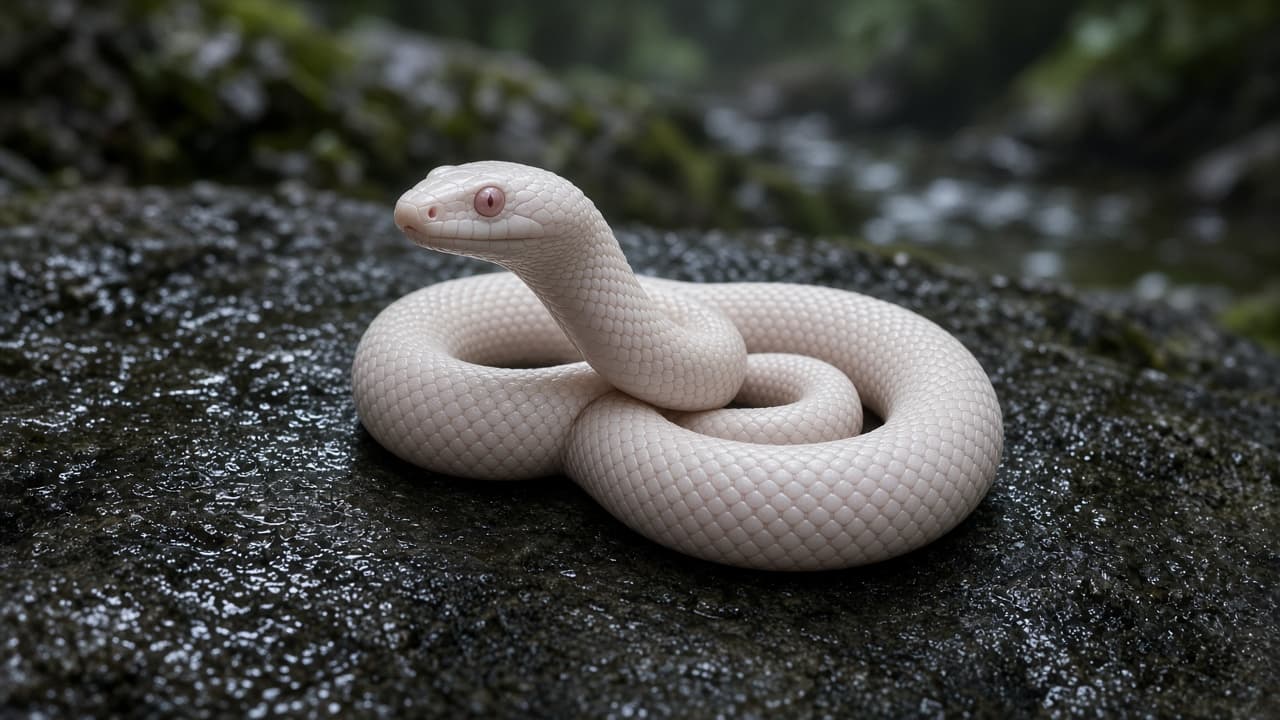
A white snake is a [snake](/dreams/snakes) that folklore has been arguing about for centuries: sacred in some stories, death-pale in others, simply an albino animal in biology. In a dream the colour usually marks rarity and exposure. Cunning is still present. Camouflage is not. You can see the problem, and the problem may look like a visitor from a story. Do not let “auspicious” erase a strike, and do not let Western death-associations erase a peaceful coil. The scene decides.
A White Snake That Felt Auspicious or Sacred
It does not threaten. Light sits on it. You feel chosen, or calm, or as if a rule of the ordinary world paused.
Sacred-white snake dreams are where folklore earns a seat. Korean, Chinese, and Japanese white-snake tales, and various European “white serpent” luck stories, teach people to greet paleness as a blessing. If that is your culture, the dream may be using a positive animal you already know. If it is not, you may still have absorbed the trope from film.
The educational caution is simple. Feeling blessed is allowed. Scheduling a windfall is not. Ask what rare, clarifying thing appeared in your week, a truth, a person, a diagnosis that ended a worse uncertainty.
Albino Strangeness, Pink Eyes, a Snake That Looked Wrong
The white is not holy. It is lab-wrong, cave-wrong, too visible, too frail, too much like a specimen.
Albino uncanniness is a different dream from temple folklore. Something instinctive has lost the colours that made it belong in its habitat. A strategy that used to hide. A person who used to blend. A part of you that is now spotlighted and therefore in danger, or now spotlighted and therefore honest.
If you wanted to protect it, the dream is about a vulnerable cunning, intelligence that cannot afford the usual cover. If you wanted to kill it because it was wrong, you may be punishing a difference that is actually just exposure.
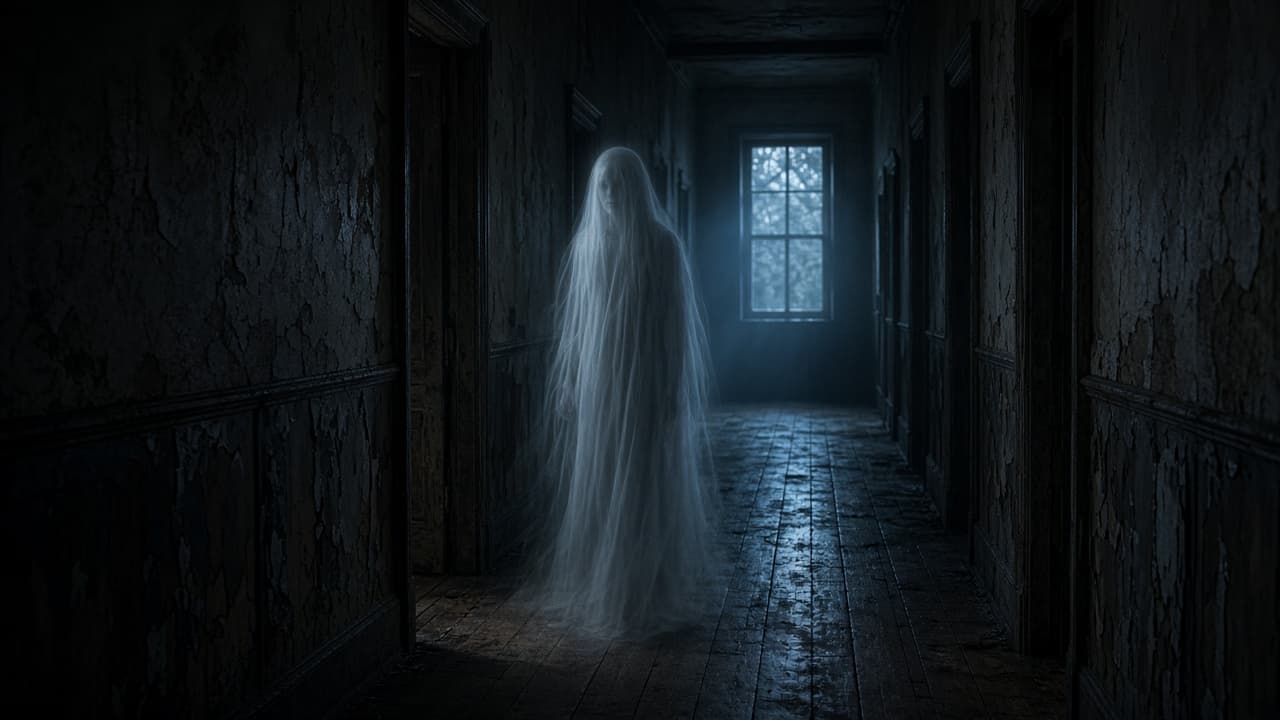
White Snake as Ghost, Ancestor, or Death-Pale
It arrives with ghost logic: a loved tone, a graveyard path, a body that should not move. Paleness reads as death rather than luck.
This overlay is common in dreamers whose first association with white animals is omen or afterlife. The snake may be a messenger costume for grief, or a fear that a cunning problem is “final.” Test whether a deceased person was in the week’s mind. If yes, you may have two symbols stacked. If no, paleness may simply be night-time high contrast.
A white snake shedding can look like a shroud. Shedding is still transformation in snake language. Let both meanings sit until one fits the rest of the plot.
It Spoke, Wore a Crown, or Became a Person
Folktale mode. The white snake is a bride, a king, a teacher, a bargain.
Personified white snakes are story-hungry. You are in a narrative about enchantment and terms. What did it want. What would you owe. Transformation into a person is about a quality becoming relational, cunning you can talk to, a fear you can marry, a luck you can negotiate with.
If the bargain felt coercive, it is not a cute myth. It is a waking deal with pretty lighting. Stay as sceptical as you would in daylight.
Have a White Snake dream of your own?
Write what you remember and get a clear reading.
Bite, Chase, or White Bloodlessness
It strikes. There is little blood, or the wound looks clean, or you are more shocked by the colour than by pain.
A pale strike can feel like a refined harm, a polite betrayal, a clinical sentence, a spiritual community that hurts without looking dirty. Chase scenes are still chase scenes: something rare and visible will not let you pretend you did not see it.
If you were ashamed to be afraid of a “lucky” animal, that shame is extra folklore, not extra danger. You are allowed to step back from a white snake.
Finding It in Snow, a Temple, a Bathroom
Setting writes a subtitle. Snow makes the camouflage paradox: white on white, you almost missed the rare thing. A temple or shrine leans folklore. A bathroom leans the body, privacy, and the shock of instinct in a hygienic room.
A white snake in a medicine cabinet or on a crystal shelf is often a spirituality-and-instinct pile-up. You have been arranging pale sacred objects and the dream sent a live animal to test whether the sacred is still allowed to be dangerous.
Psychological Meaning
C. G. Jung’s 1952 Symbols of Transformation is the citation this colour often attracts, and it should be used as a lens rather than a law. Jung treated snakes as transformation and libido-in-form, and whiteness as a kind of abstraction or spirit-tint. That can fit a dream that felt like a visit from a process rather than a pest. It fits badly if you merely watched a nature documentary about albino animals.
Biology and folklore are both in the file. Albino animals are rare and conspicuous, which is a terrible survival strategy and a perfect dream strategy: the unconscious (if we even want that word) loves high contrast. Folk luck-stories then paint the contrast as blessing. Your job is to see which paint was on your snake.
Stay non-omen. A white snake is a visible cunning, sometimes tender, sometimes holy-feeling, sometimes just strange. It does not certify a marriage or a death.
When the Pale Snake Returns
Repetition usually means a rare visible issue is still not integrated, a truth too bright, a grief in animal form, a folklore you have not decided whether to believe. Write what the snake did, not what Wikipedia says white snakes mean in a country you do not live in, unless that country is actually yours.
If holy awe wrecks sleep, you can respect the feeling and still use nightmare tools. Reverence is not a requirement to be exhausted.
A white snake dream is rarity plus snake. It is not a fortune. Describe whether it felt sacred, sick, or simply exposed if you want a reading that keeps those tones apart.