Quick Answer
[Hair](/dreams/hair) in dreams is already about how you are seen. Cutting it is the edit. The whole reading hangs on consent: you asked for this, it was done to you, or you watched someone else lose theirs. A trim, a dramatic shear, and a cut that goes wrong in a [mirror](/dreams/mirrors) are three different nights. Folklore about power and omens can wait until you know who held the scissors.
A Haircut You Chose
Salon, kitchen, a sink. You point at a photo. You feel the weight come off and you like it, or you are waiting to like it.
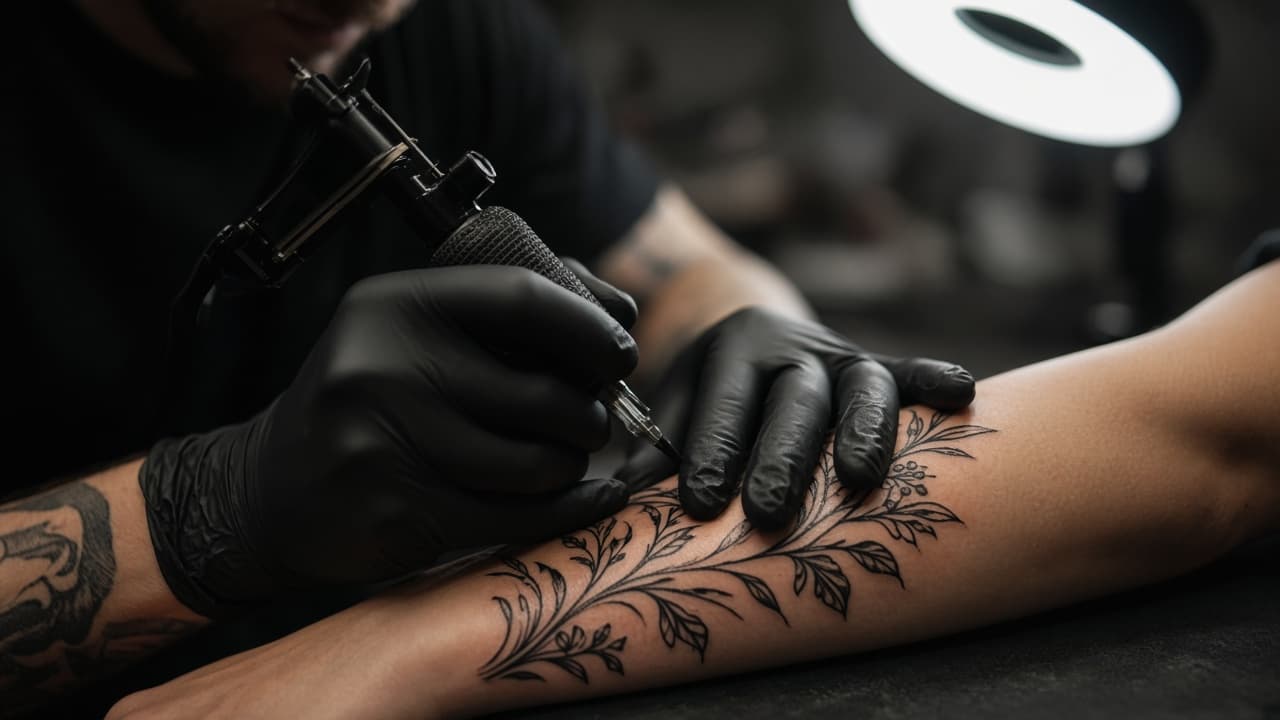
Chosen cuts map onto revisions you are already making: leaving a job's dress code, ending a relationship's "couple look," a gender presentation that is becoming more honest, a grief that has made the old hair feel like costume. Compare getting a tattoo for a mark you add; this is a mark you subtract.
If you woke proud, the waking edit is probably underway. If you woke checking whether other people would still recognise you, the edit is about audience as much as about self.
Someone Else Cutting, and You Allowed It
A stylist, a parent, a partner standing behind you. Your hands are in your lap. The scissors are not yours.
Consenting to another person's cut is a trust dream with a risk attached. You are letting someone else author a visible part of you. That can be intimacy. It can be a habit of handing your face to whoever claims expertise, a parent who still does your life, a partner who has opinions about how you should look, a workplace that grooms you.
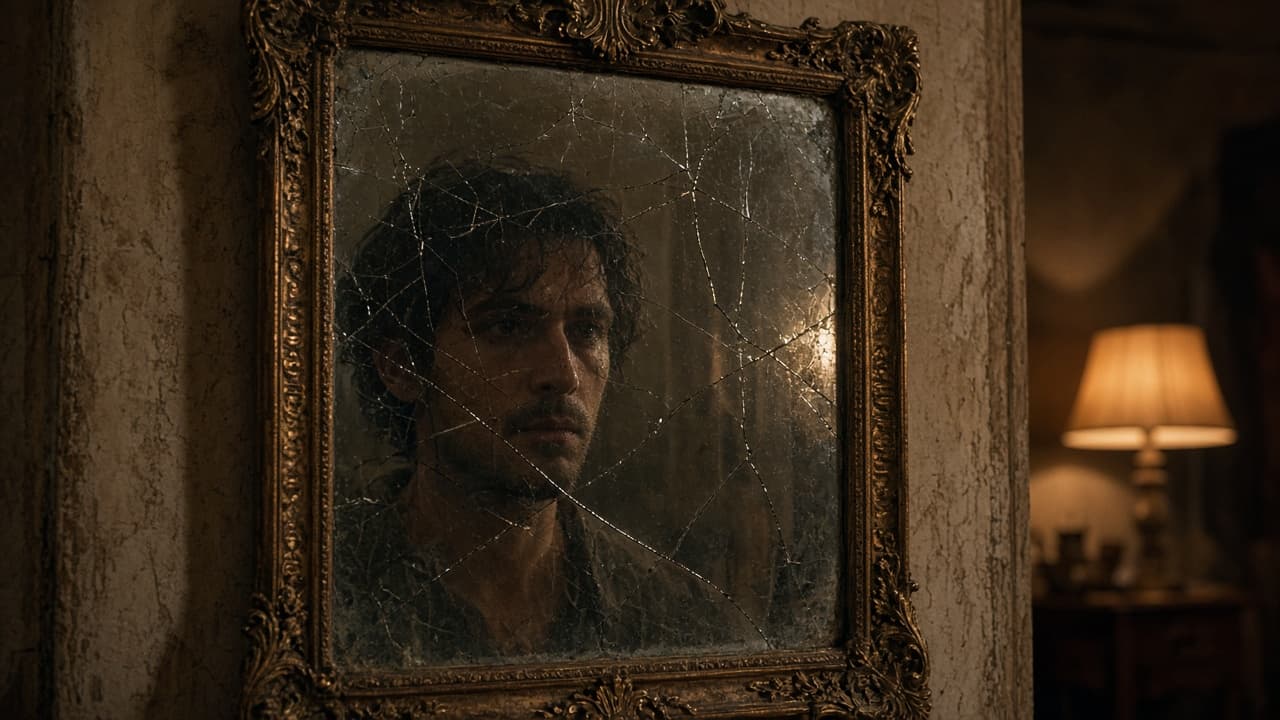
Whether you looked in the mirror afterwards, and whether you recognised yourself, is the result. Pleasure means the author is currently welcome. Shock means you consented to a process and not to this outcome.
A Forced Cut
Held still. Hair taken against your will. Sometimes a punishment, sometimes a "you'll thank me," sometimes a military or medical scene.
Forced haircuts are autonomy dreams. Institutions, families, and relationships that get to decide your appearance will load this image. Childhood memories of a parent and a kitchen chair return under adult stress even when the current conflict is a job. Prison, hospital, and school versions point at a system rather than a person.
Anger is the healthy affect. Shame is the inherited one. If you fought in the dream, you still have a fight. If you went limp, the waking situation may have already taught you that fighting costs more than the hair.
Cutting Someone Else's Hair
You are the one with the scissors. A child, a lover, a stranger, an enemy.
Being the cutter is authorship of someone else's visibility. Parents dream this around children who are becoming people. Partners dream it around influence they may not want to admit. Cutting an enemy's hair is humiliation-as-power, close cousin to naked exposure but more specific: you did not undress them, you edited their public self.
If you regretted it immediately, you already know you overreached. If you were careful and the person was glad, you may be in a genuine caretaking role, which is still worth checking for over-control.
Have a Cutting Hair dream of your own?
Write what you remember and get a clear reading.
The Cut Goes Wrong
Uneven, too short, a bald patch, a colour that was not discussed. You cannot fix it before Monday.
Botched-cut dreams are about irreversible-feeling edits that were supposed to be small. A comment you cannot unsay. A haircut of a life: a resignation, a posted photo, a confidence shared. Teeth dreams handle competence-in-the-face; this handles competence-in-the-look. You have to walk around in the result.
Trying to hide it under a hat is a delay strategy. Going out anyway is a different politics. The dream often arrives the week before a real visible change, which is continuity, not omen.
Hair as Offering, Hair as Weapon
You cut a lock to give to someone. You cut a lock to burn. You use hair as a rope, a nest, a mess that will not go in the bin.
Ritual cutting is about what the hair meant as a relationship object. Locks in lockets, mourning cuts, revenge cuts. If you gave the hair, you were trying to leave a piece of yourself with someone, a bond, a proof. If you destroyed it, you were trying to take yourself back. Clothes can be changed daily; hair advertises the change for months. That duration is why the psyche uses it for decisions that will still be showing at Christmas.
A clogged drain of hair is the leftover: change you have already made, still occupying the pipes.
Watching Your Hair Fall as You Cut
Each snip is visible. You see the person you were on the floor. Sometimes you try to stick it back.
This is the identity-edit in slow motion. People in transitions that cannot be undone quickly, divorce energy, coming out, leaving a religion, leaving a city, get the pile-on-the-floor image. Grief and relief take turns. Trying to reattach hair is the wish to keep a version of you that the decision has already ended.
If a child-you appeared in the mirror after the cut, the edit may be aimed at a family audience that still holds the old photograph.
Psychological Meaning
Erik Erikson's 1968 Identity: Youth and Crisis is the right citation not because haircuts are only for adolescents, but because he described identity as a visible social accomplishment, something recognised by others, not only felt inside. A dream of cutting hair is often a workshop in that recognition. You are altering the cue other people use to know who you are, and then checking whether you can bear the new cue.
Erving Goffman's writing on self-presentation (1959) sits underneath: appearance is part of the performance of a role. When the role is changing, the costume department starts work at night. Continuity still applies, a real appointment at a salon, a real lice scare, a real barber you dislike will supply the props.
Samson folklore and mourning customs will try to grab the microphone. Let them speak only after consent has been established. Power can be lost with hair in a story. In a dream, power is more often about who was allowed to hold the scissors.
When Haircut Dreams Keep Happening
Repeating chosen-cut nights often mean the waking edit is still incomplete: you have decided in private and not yet changed anything public. Repeating forced-cut nights often mean a person or an institution still has authorship you have not revoked.
Try a small waking equivalent if the dreams are stuck, an actual trim, a change of parting, a photograph you take for yourself and do not post. The psyche sometimes only needs to see that you can author a visible change without catastrophe. If the nights are about someone else's hands, the work is in the relationship, not in the bathroom.