Quick Answer
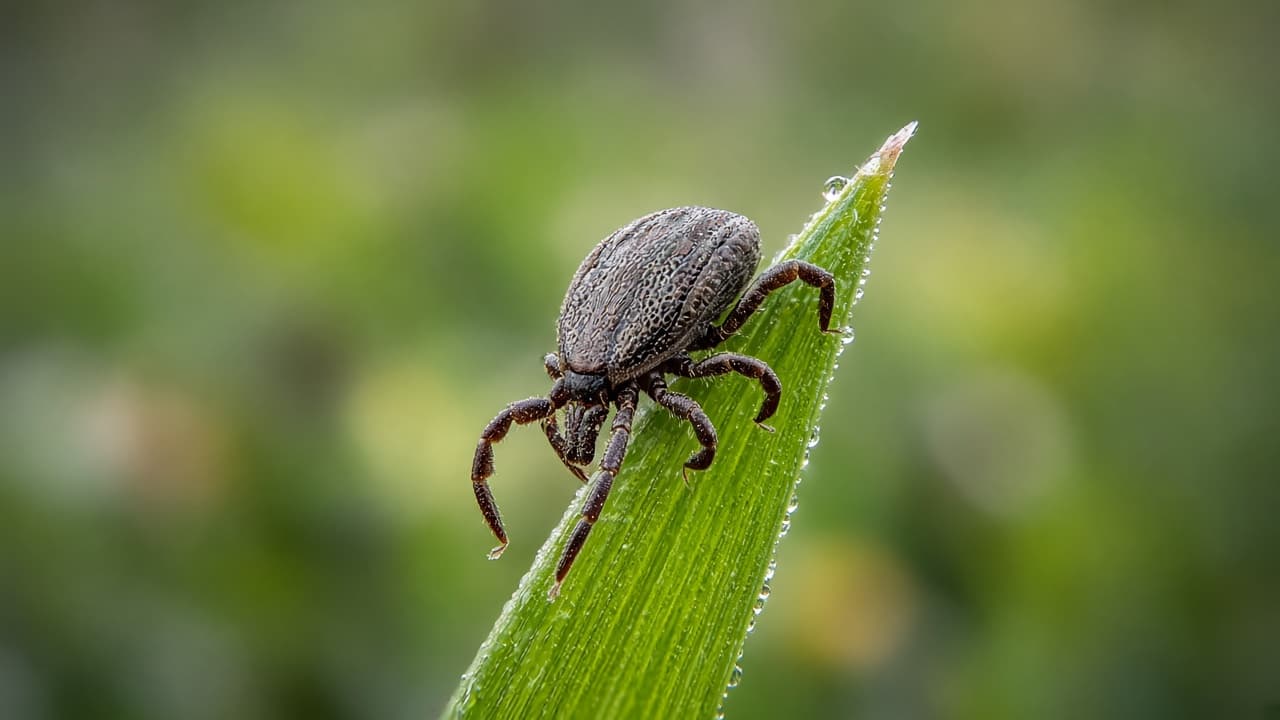
A tick in a dream is not a spider and not a wasp. It does not chase. It waits in the margins, latches, and feeds so quietly that the event is finding it afterward. That ecology is the meaning: slow attachment, a cost that accrued while you were doing something else, a hitchhiker from tall grass. How long it had been there, whether you could remove it, and whose body it was on do more work than disgust alone.
Finding a Tick on Your Body
The classic plot is inspection: a shower, a hike's end, a hand brushing a shoulder, and then the fact of it. Unlike lice, which suggest social spread, ticks suggest landscape, you went through something and brought a passenger home.
These dreams arrive after seasons of exposure you did not clock as dangerous: extra shifts, a family visit, a "quick favour", a news hole, a relationship that looked like countryside. The latch happened in passing. The feeding happened in private.
Location is worth naming. Scalp and hairline often feel like identity and public presentation. Warm hidden places (waistband, behind a knee) more often mean the drain was in a part of life you do not display. A tick on the neck can carry a sense of being claimed.
A Tick That Will Not Come Out
Tweezers fail. The body stays. Dreamers describe pulling and the mouth remaining, or the tick swelling as they work.
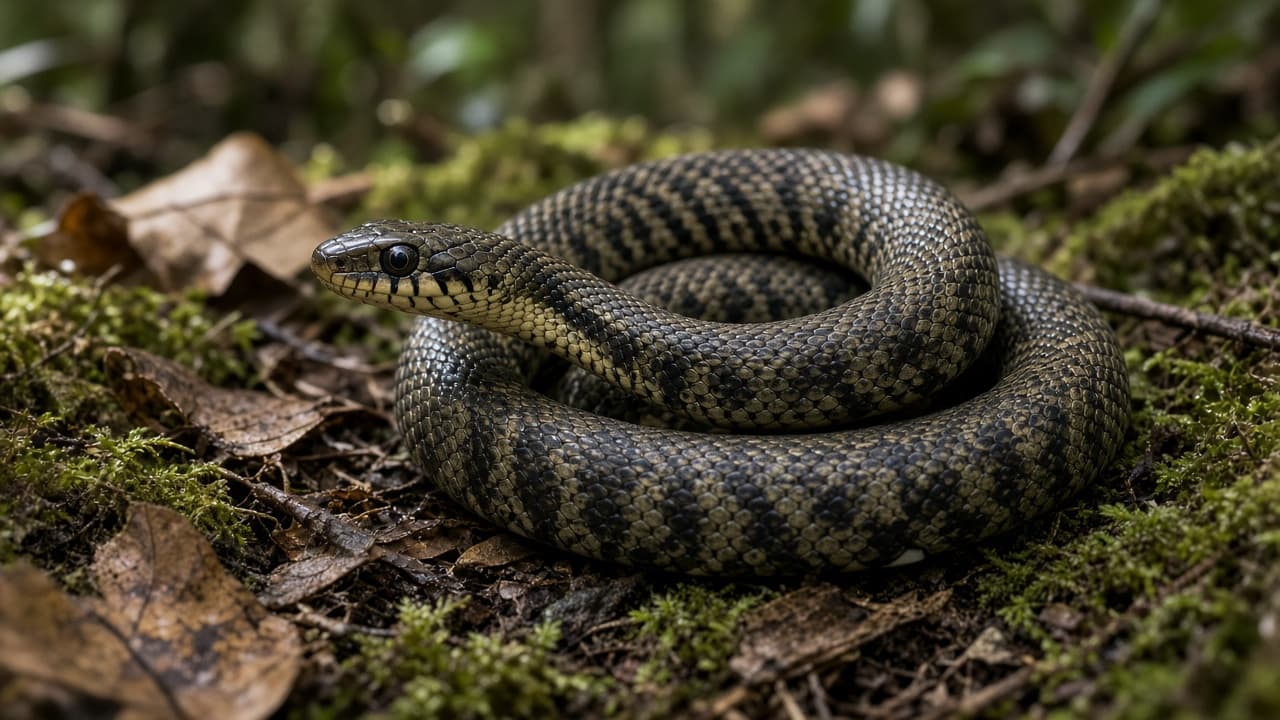
Barbed attachment is the point. Something in waking life is costly to remove because removal takes a piece of you, a job with a delayed bonus, a family role, a tenancy, a secret that is now structural. Compare snakes (a threat you can see moving) with this: the tick is already in.
If someone else was trying to remove it and hurting you, help may currently feel like a second injury. If you refused to let anyone look, shame is riding along with the parasite.
Ticks on a Dog or Another Animal
Dogs in this dream are often the loyal outdoor self, or an actual pet, or a person you check the way you check a coat after a walk.
Caretaking is the usual key. You are responsible for a body that goes into grass you do not fully control, a child at school, a partner's job, an ageing parent, a team. The tick on them is the cost of their exposure, which then becomes your labour.
If you were disgusted at the animal rather than at the tick, you may be blaming the host (the needy one, the messy one) for a problem that came from the environment.
Many Ticks, or a Body Covered
One tick is a specialist story. A scatter of them is a season.
These dreams show up during periods when every outing collects a small attachment: a job with endless tiny obligations, a family week of favours, a dating app, a house renovation that keeps finding new problems. No single latch is dramatic. The count is the horror.
A landscape crawling with ticks (a field, a wood, a garden of the house) usually means you already know the environment is the issue and you keep walking through it anyway, for money, love, or lack of another path.
Have a Ticks dream of your own?
Write what you remember and get a clear reading.
Removing It Cleanly
The satisfying variant: tweezers, a steady pull, a complete animal, relief, maybe a small mark.
Clean removal tends to accompany a waking extraction that is already underway or obviously possible, ending a subscription of labour, a conversation that names the drain, a practical boundary. Dreamers often wake with a competence feeling that is worth taking seriously. You may already know how.
If you then saved the tick in a jar, you are in evidence-gathering mode: documenting, remembering, not quite ready to throw the proof away. That can be wise. It can also mean you are still in a relationship with the drain as a story.
After a Walk, a Forest, or Tall Grass
Setting before the finding is half the dream. Woods, meadows, abandoned lots, a childhood garden.
These environments map onto unstructured time and places without clear rules, a holiday that was not rest, a family property, a creative wandering, a risk you took because it looked green. The tick is the reminder that pastoral scenes still have feeders.
If you never saw the grass and only found the tick in a bed or a city bathroom, the exposure may have been social or professional, dressed up as ordinary indoor life.
A Tick Associated With Blood, Illness, or Time Passing
Swelling, blood, a rash in the dream, a calendar sense that it had been days. The plot emphasises feeding duration.
These are not diagnoses. They are pictures of a cost that compounded. A small yes that became a year. A person who only takes a little. A worry that has been sipping attention every night.
If the dream moved toward medical panic, check whether health anxiety is currently loud. The image is a magnet for it. Handle symptoms by day with a clinician; interpret the attachment by asking what has been feeding.
Psychological Meaning
G. William Domhoff's continuity hypothesis (developed across Finding Meaning in Dreams, 1996, and later work) is the right first tool here. Dream content tracks waking preoccupations. People who walk dogs, who garden, who have had a real tick, or who have been reading health news will dream ticks more. That is not a failure of symbolism. It is the mind using the object already on the desk.
Once the object is chosen, continuity still personalises the latch. A tick is an almost perfect cartoon of a certain kind of waking problem: not an attack, not a chase, a quiet mouthparts-in-skin arrangement. If your week has been about noticing a cost that accrued without a scene, the dreaming brain does not need to invent a dragon.
Pair that with the simple physical check. Itches and skin tags get written into night stories. Then ask who or what attached in the long grass of this season.
When the Same Latch Returns
They stop when the quiet attachment is found and removed, a drain you had stopped noticing. Recurrence means you are still walking the same field, or still leaving the mouth in because pulling would hurt.
A one-off after a hike is often just the day's footage. A month of embedded ticks is almost always a map of a role, a person, or a worry that has been feeding in small honest amounts while you called it nothing.