Quick Answer
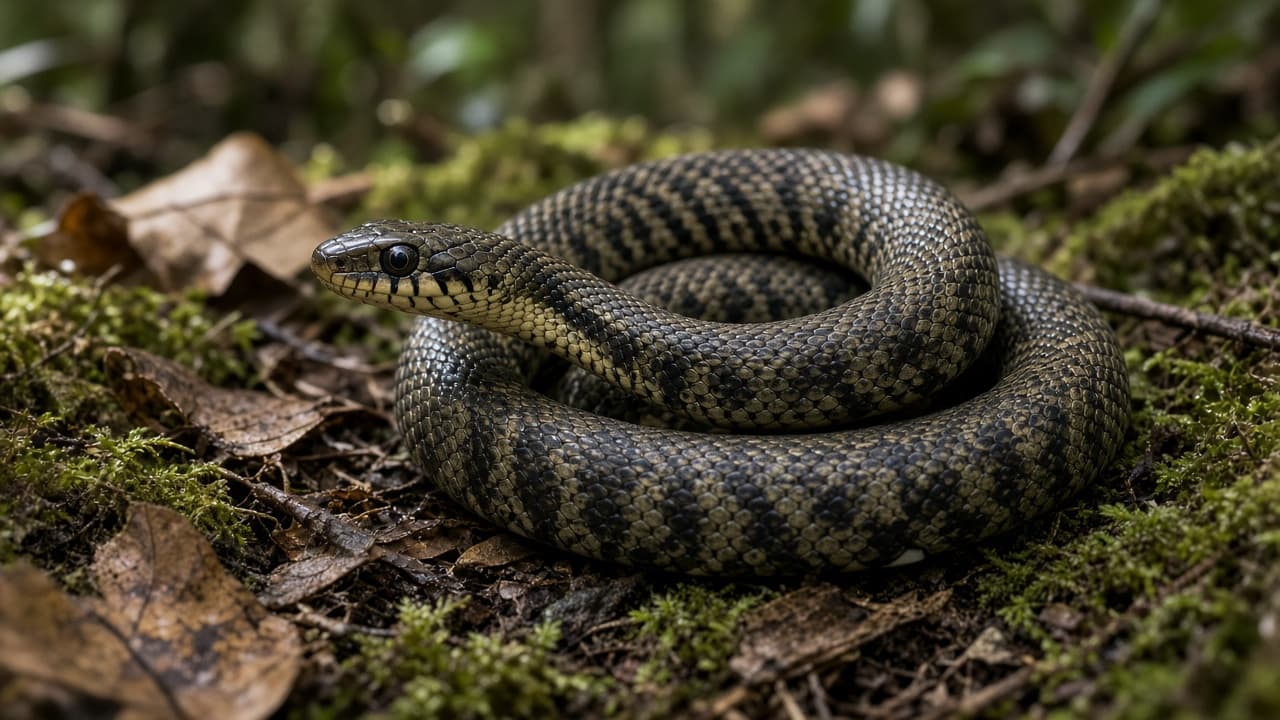
Killing a snake puts you on the agent side of a [snake](/dreams/snakes) dream. Something cunning is being ended: a threat, a temptation, a rumour, a version of yourself. Folklore will try to call this lucky. The honest data is the second after death, relief, guilt, pride, nausea, and the method you used. This is not the same as [killing someone](/dreams/killing-someone) with a human face, though the two can stack if the snake *was* a person in the dream’s logic.
Relief: It Was Over and You Could Breathe
The body goes still. Your shoulders drop. You wake glad.
Relief-kills usually mean you have been living next to a draining cunning thing and the dream is rehearsing its end. A job manoeuvre, a flirtation that felt like venom, a habit of reading minds, a family story. You want it finished.
If the relief was huge and the snake was small, proportion is off in a hopeful way: you are ready to stop granting it so much floor. If the snake was huge and the relief still came, you may already be in the middle of a real ending.
Guilt, Grief, or the Sense You Killed the Wrong Thing
You look at the dead length and feel sick. It was beautiful. It was only going somewhere. It had your eyes.
Guilt is the important variant because it refuses the folk-luck sticker. You may have shut down adaptability, desire, anger, or a person whose indirectness you could not stand. Clara E. Hill’s 1996 cognitive-experiential dream model asks dreamers to explore the emotion and the waking trigger rather than to accept a symbol key. Guilt after a snake-kill is a cue to ask what mixed-value thing you are tempted to destroy.
If the snake became a person as it died, you already know the stack. Handle that as a relationship dream with extra myth.
Method: Hands, Shovel, Knife, Gun, Car, Poison
How you killed it is a picture of how you end things.
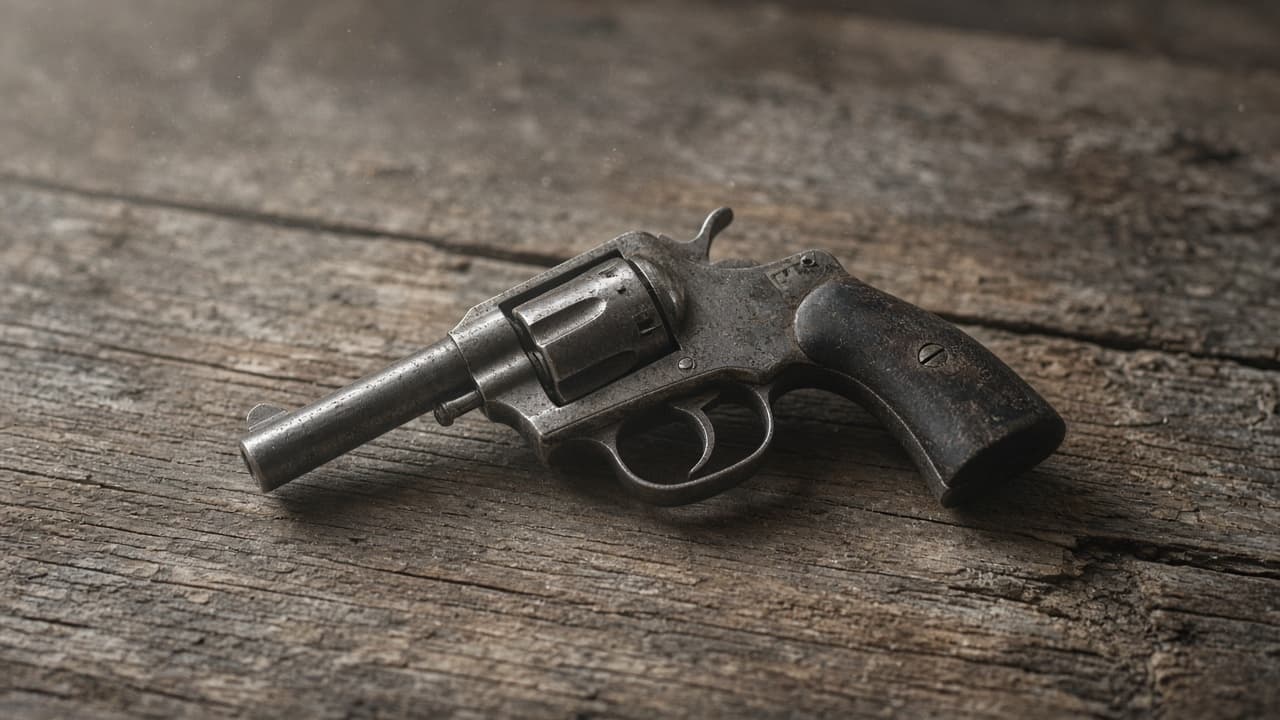
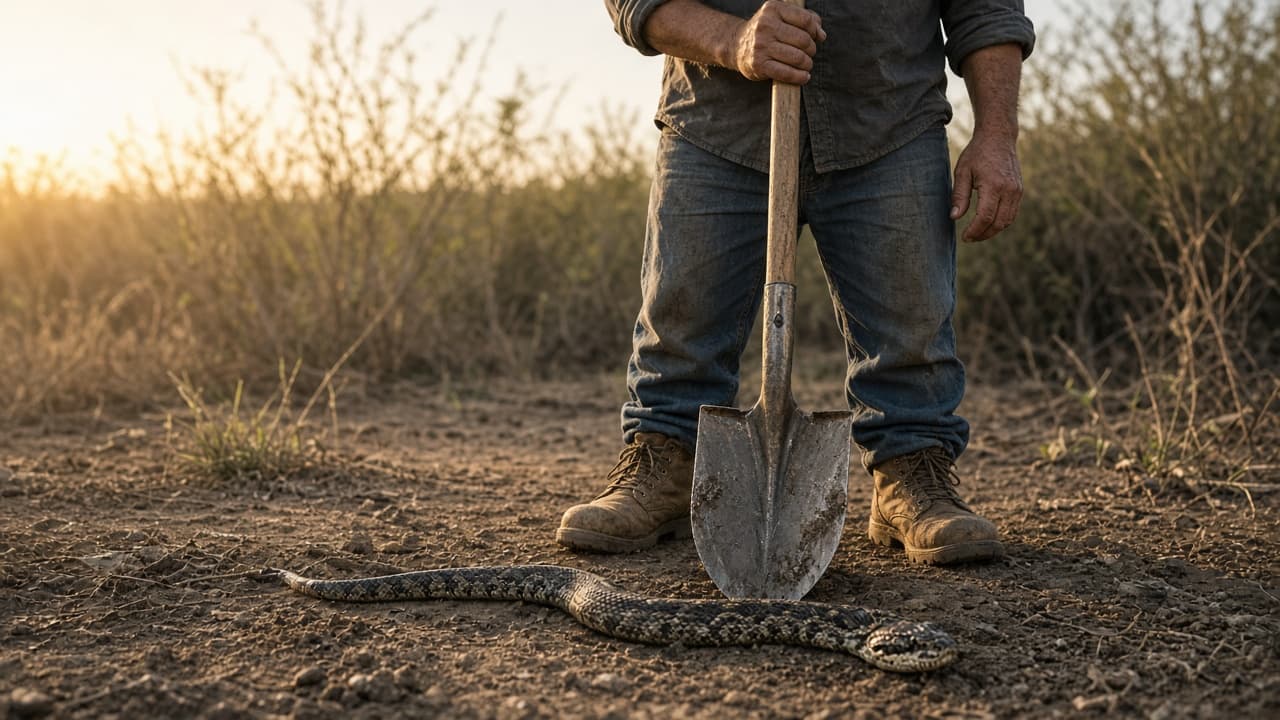
Hands: intimate, bodily, you could feel it. A shovel or stick: practical, rural, a job you did not want to be elegant about. A knife: precise, close, possibly planned. A gun: distance and finality, sometimes borrowed from media, sometimes a wish not to touch the problem. A car: you keep moving and let impact do it, endings by momentum. Poison or waiting: you wanted it gone without a scene.
Accidental killing, a step, a door, is a dream about endings you will not claim. You still have to live with the body on the path.
It Would Not Stay Dead
You kill it. It moves. You kill it. Two are there. The head is still living in a proverb you did not want to stage.
Failed completion is strategy feedback. The waking problem regenerates when met with the same blow, a conflict that becomes two conflicts, an addiction that changes form, a family member who returns through someone else. Hydra logic. You may need a different conversation, not a harder shovel.
If you were exhausted by the repetition inside one dream, burnout is already in the scene. The dream is not asking for more heroism. It is asking for a change of plan.
Have a Killing A Snake dream of your own?
Write what you remember and get a clear reading.
Killing It to Protect Someone Else
A child, a partner, a pet, a sleeping house. You are the designated adult with a tool.
Protection-kills are duty dreams. They cluster in parents, eldest children, and people whose job is threat-removal. The snake is still a cunning issue; you are the one who is not allowed to freeze. Pride and resentment can arrive together. Resentment means the duty is costing you. Pride means the duty is also identity.
If nobody thanked you, the dream may be reporting a thankless role. If they were angry you killed it, you ended something the household still valued, a messy vitality, a secret, a person they had not filed as a snake.
Afterward: the Body, the Blood, Telling Someone
Blood on a path. A skin. A story you try to tell that nobody believes.
Aftermath is integration. A body you have to dispose of is a consequence you will still handle in the day, paperwork, a conversation, a reputation. A kill nobody believes is an inner ending you cannot socialise yet. A trophy feeling is a status claim: I am the one who can end cunning things. Ask whether you like that person.
Psychological Meaning
Hill’s 1996 dream-work model (exploration, insight, action) is a better tool here than omen lists that score snake-killing as fortune. You already acted in the dream. The waking work is to name what was killed in metaphorical terms and to choose a proportionate daylight action, a boundary, a resignation, a pause on a habit, rather than to hunt a real animal or a person.
Threat-simulation explains the intensity of the kill: the brain completes a defence sequence. Continuity explains the species and the yard. Guilt is not a glitch in the simulation. It is extra information that the target was ambivalently valued.
Do not take folk luck. Do not take folk guilt either. A dream kill is a story about agency. Use it as a question: what am I ending, and is that the ending I mean.
If the dream restages a real act of violence, stop. That is memory. Get appropriate help. This page is for metaphorical nights.
When You Keep Killing the Same Snake
Repeating kills with relief often mean the waking ending is not finished, you are rehearsing because the real blow has not landed. Repeating kills with guilt often mean you are punishing a part of yourself on a loop. Write which one you are in. The next move is different.
You can also rewrite the ending awake: catch it, move it, talk to it. That is allowed. Not every cunning thing needs to die. Some need a jar and a decision.
Killing a snake is ending a cunning threat, plus the moral leftover. It is not a lottery ticket. Describe the tool, the feeling after, and whether it stayed dead if you want a reading that stays with those facts.