Quick Answer
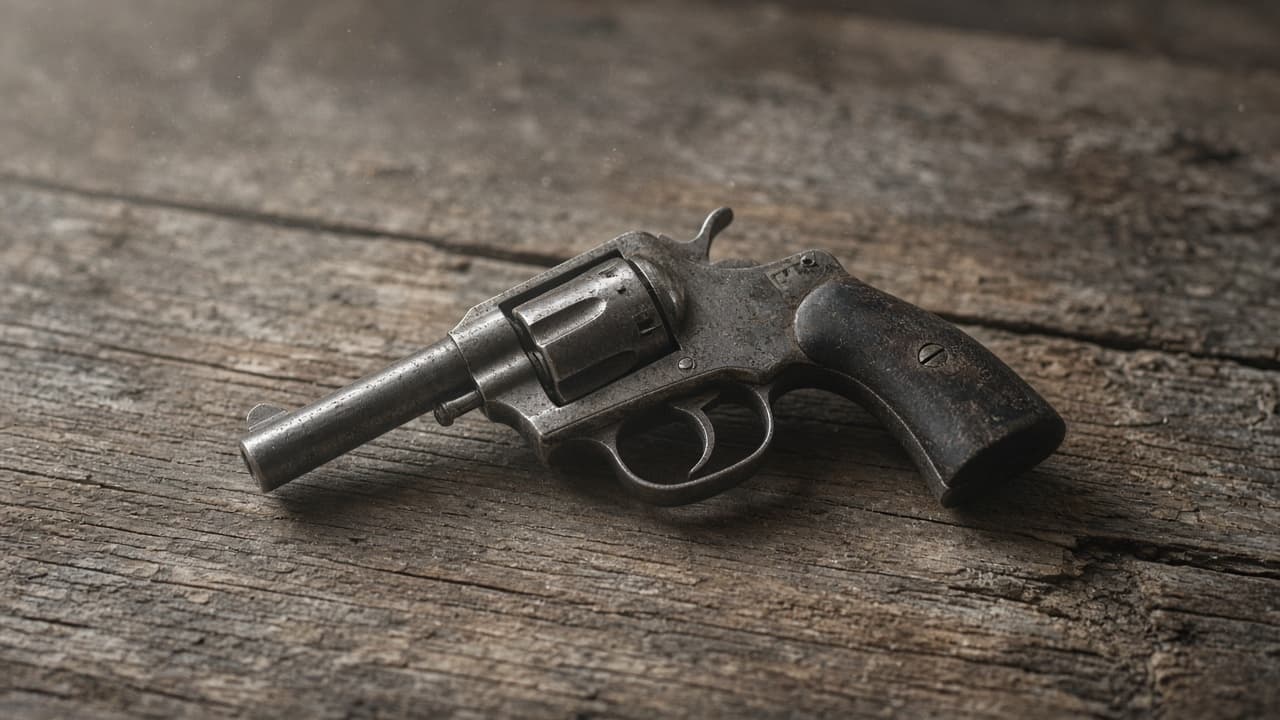
Getting shot in a dream is a dream about harm that is sudden, aimed, and impossible to negotiate with. Unlike a chase or a fight, there is no distance to close and nothing to wrestle, the damage happens at range, and your only role is to be the target. What narrows the meaning is the geometry: who fired, where the bullet landed, whether you felt it, and whether the dream let you survive. Read spiritually, those same four details are traditionally taken to show where you currently feel unguarded, not to predict anything about your body.
Being Shot and Feeling Nothing
The most frequently described version, and the one that unsettles people most. There is an impact, you look down, and there is no pain at all.
Absent sensation is normal in dreams, which reproduce emotion and threat far better than they reproduce physical feeling. But the flatness often tracks something real: dreamers report this after redundancy notices, after being left, after receiving a result they had braced for. Bad news frequently lands with no immediate pain, and the dream keeps that fidelity, the injury is obvious, and you cannot feel it yet.
Some dreamers describe examining the wound with mild interest, as if it belonged to someone else. That detachment is worth noting rather than worrying about. It is a recognisable response to overload, not evidence of anything cold in you.
Being Shot by Someone You Know
When the shooter has a face, the dream is about that relationship and almost nothing else.
Dreamers wake from these deeply disturbed, partly because the identity feels like an accusation they never meant to make. It rarely is. A parent, sibling, manager or partner holding the weapon tends to indicate a person whose words or decisions can damage you at will, the power is the point, not their character. The scene shows up around inheritance disputes, custody arrangements, performance reviews and long-running family arguments where one person always gets the last word.
Recover their expression if you can. Cold and deliberate leans toward a power imbalance you have already accepted. Surprised or regretful more often accompanies harm you believe was careless rather than intended.
Shot in the Back
Direction does more work here than any other detail. A shot from behind means you were not watching, and dreams are unusually literal about this one.
These scenes arrive alongside betrayal, exclusion, and consequences assembled out of sight: a complaint made about you that you only heard about later, a role filled before you knew it was open, a friend who discussed you with someone else. Dreamers often report not seeing the shooter at all, which is usually accurate, the waking situation frequently has no clear author, just a process that moved without you.
Being Shot and Continuing Anyway
You are hit and the dream simply carries on. You keep walking, keep talking, keep going to work with a hole in you that nobody mentions.
This variant is common in high-functioning people going through something costly. Grief while meeting deadlines, illness while parenting, a breakup during a busy quarter. The dream is not suggesting you are invincible. It is drawing attention to the gap between how damaged you are and how well you are performing, and dreamers usually recognise the gap instantly when it is put that way.
If other people in the dream failed to notice the wound, that detail deserves its own thought. Being unwitnessed is often the harder half.
Shot in the Chest or the Heart
Location tends to specify the domain. Chest and heart wounds cluster around love, loyalty and grief rather than reputation or work.
Dreamers describe them after the end of a relationship, after a betrayal by someone they were close to, and during bereavement. The image is old and direct: something has been taken out of the centre of you. Where the dream included blood, the blood itself usually marks how visible the loss feels to others.
Have a Getting Shot dream of your own?
Write what you remember and get a clear reading.
Being Shot At and Missed
Bullets pass you, hit the wall, or you dive and nothing connects. The dream is all near-miss.
These accompany periods of sustained exposure without actual damage, a hostile workplace you are surviving, a legal process still unresolved, months of small hostilities from a neighbour or ex. The tension is cumulative rather than acute. Dreamers often report exhaustion on waking rather than fear, which is the honest signal: being shot at for long enough is tiring even when nothing lands.
Watching Someone Else Get Shot
Here you are a witness, and frequently a helpless one.
Bystander scenes usually track someone you cannot protect: a child navigating something painful, a parent losing capacity, a friend in a relationship you can see clearly from outside. The dream's cruelty is the distance, you can see the harm and you have no standing to stop it. If you tried to reach them and could not move, that paralysis is closer to the meaning than the shooting is.
Psychological Meaning
Violent dreams are ordinary, and that fact is worth taking on board before interpreting anything. Gunshot dreams sit comfortably inside normal dream content rather than at the edge of it, and having one says nothing about your temperament.
Antti Revonsuo's threat-simulation theory, proposed in 2000, gives the clearest functional reading. On that account dreaming repeatedly stages dangerous situations so the responses get practised, with a strong bias toward threats that matter socially. A gunshot is an efficient prop for a very specific category of danger, the kind you cannot fight, outrun, or talk down. The dream is not rehearsing how to survive bullets; it is rehearsing how it feels to be a target.
Ernest Hartmann's research on what he called the central image of a dream adds a useful measure. In Dreams and Nightmares (1998) he argued that the intensity of a dream's dominant picture rises with the emotional arousal of the dreamer, which is why people under real stress report images of a scale they would never invent in daylight. On that reading, the vividness of a shooting dream tells you about the pressure you are under, not about the likelihood of harm.
There is an important exception, and it should not be treated as symbolism. For veterans, police and paramedics, survivors of shootings, and people who grew up where gunfire was routine, these dreams may be replaying something real with high fidelity. Trauma-related dreams behave differently: they repeat, they reproduce sensory detail, and they resist reinterpretation. Barry Krakow and colleagues demonstrated in a randomised trial published in JAMA in 2001 that imagery rehearsal therapy substantially reduced nightmare frequency in trauma survivors, which means this is treatable rather than something to endure. If that describes you, the dream is a stress signal to take to a clinician, not a puzzle to solve. The war entry covers the same territory.
Spiritual Meaning of Getting Shot in a Dream
Firearms are far too recent to appear in scripture or in any old dream tradition, which is why serious spiritual readings translate the gunshot back into the older image it replaced: the arrow.
That image is everywhere in the Psalms, and it is consistently about attack from a distance rather than about death. Psalm 91:5 offers protection from "the arrow that flieth by day", the assurance is aimed at fear itself. Ephesians 6:16 speaks of the shield of faith quenching flaming arrows, again casting the danger as something incoming and deflectable. Job 6:4 uses arrows for the experience of being struck by suffering he cannot account for, and Psalm 38:2 uses the same figure for the weight of guilt. None of these treat the wound as a verdict.
Read through that lens, the spiritual question a shooting dream raises is where you are unshielded and who has been permitted to aim. Many readers find that more useful than the omen framing, because it points at a specific relationship or a specific habit of self-attack rather than at an unnamed future event.
Two folk beliefs are worth defusing plainly. Dreaming you were shot does not foretell violence, and dying in a dream does not shorten your life, people wake up from their own deaths in dreams constantly. Where the dream carried a sense of ending, many contemplative traditions would read it as the end of a version of yourself rather than of your body: a role you have outgrown, a persona that has stopped working. That reading is a hypothesis to test against your own life, not a prophecy.
When Shooting Dreams Keep Repeating
A run of these dreams usually coincides with a stretch of feeling targeted, a hostile manager, a legal case, a family member who has decided you are the problem, or a news cycle that has got under your skin.
Note the geometry each time: shooter, location of the wound, whether you felt it, what you did next. Those four answers change from dream to dream in ways that track your circumstances closely, and most people find they can name the waking situation within a couple of entries.
If the dreams leave you waking with your heart pounding, or you have started dreading sleep, deal with that first. Sleep is fixable, the symbolism can wait, and where real violence sits behind the dream there are clinicians who treat exactly this and do it quickly.