Quick Answer
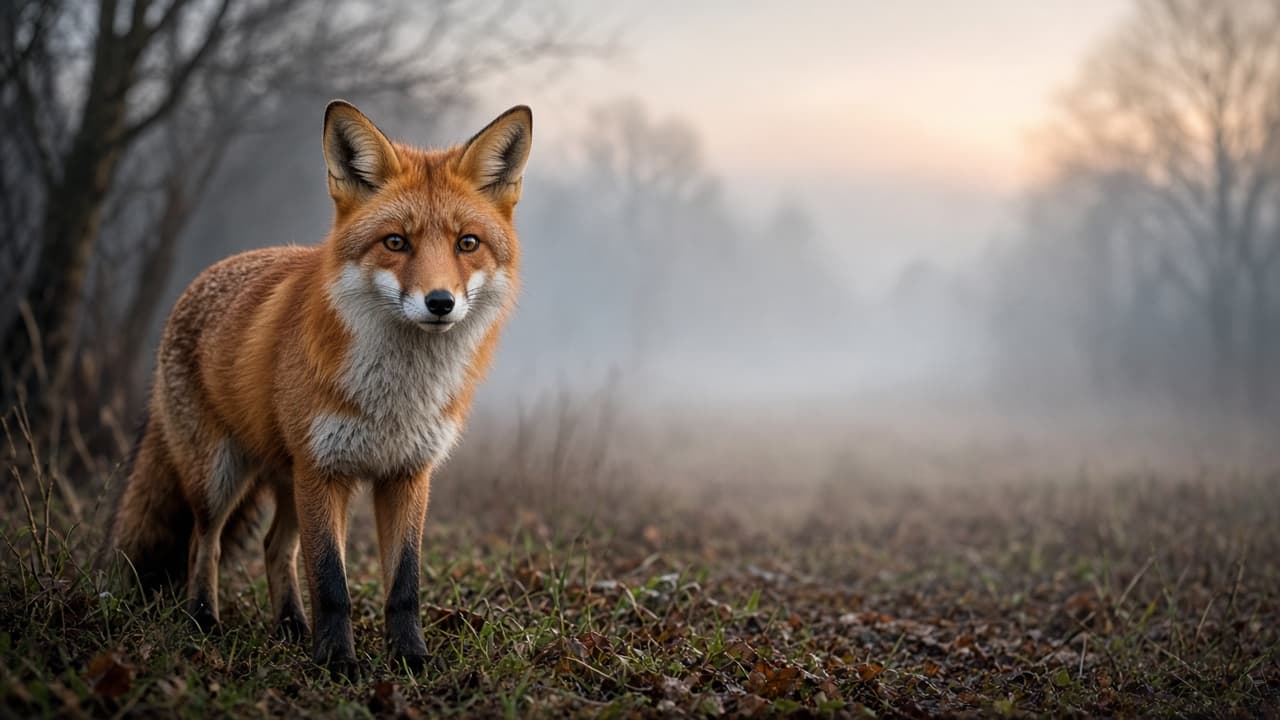
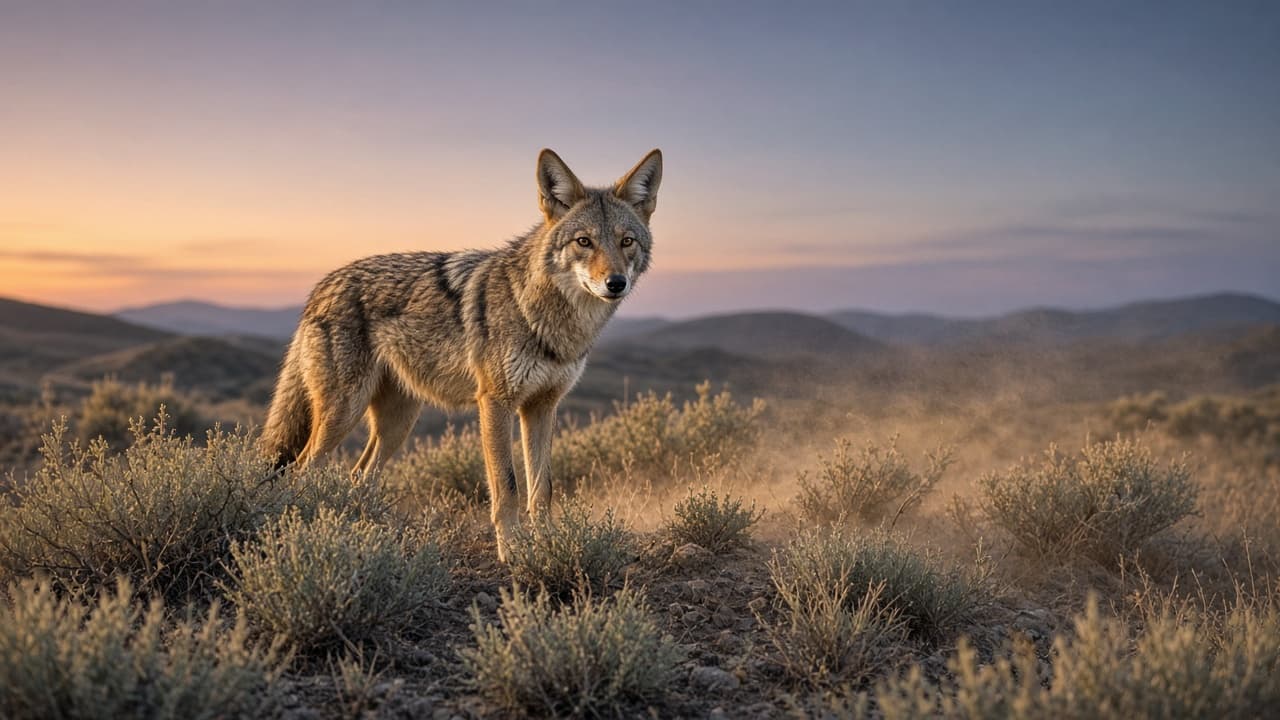
Dreaming of a coyote usually means a wild, opportunistic intelligence is operating at the edge of the domestic: a suburb of the self, a city that never quite became safe, a cleverness that eats what was left out. Unlike [foxes](/dreams/foxes), which often feel like private cunning, coyotes in many dreamers’ minds are public, vocal, and slightly too close to the bins. Your local ecology matters. If coyotes are ordinary where you live, expect more residue. If they are myth and meme, expect more trickster.
A Coyote Watching From a Ridge, Fence, or Alley
The animal is already assessing. It does not charge. It holds a line, ridge, railway, the end of the garden, and looks until you look.
Assessment dreams arrive during periods of being sized up by someone who will not use official channels: a competitor, a neighbour, a relative who “doesn’t want to interfere,” your own scanning of a new town. The coyote’s patience is the quality. It can wait. It is not embarrassed to wait.
Distance is proportion. Far off and still is background wildness, a knowledge that the city is not only human. Close enough to see the mouth tends to attach to a specific opportunism you can almost name.
A Coyote in the City in Daylight
Noon, a car park, a playground, a tram line. The wrong animal in the right infrastructure. People in the dream may not react enough, which is its own horror.
Urban daylight coyotes mark wild rules applying inside civilised hours. A hustle at work that everyone pretends is professional. A housing situation that is technically legal and actually feral. Your own talent for surviving by wits in a job that sells itself as a career. The shock is not danger so much as category error.
If traffic stopped, the wild claim has become public. If nobody stopped and only you saw it, you may be the only one admitting the neighbourhood has changed.
A Coyote in the Yard or on the Porch
Yards are treaties. Lawns are a theory of control. A coyote on the porch is the treaty failing politely.
These scenes cluster around domestic edges: kids’ safety as a feeling, pets as family, bins as the household’s leftover hunger. They also attach to people who come to the door of your life without coming in, almost-friends, almost-threats, almost-lovers, relatives who hover. Related house dreams will tell you whether the interior still felt sealed.
Feeding it, even in panic, is a different night from slamming glass. Feeding maps onto a strategy of managing wildness with offerings. Slamming maps onto a strategy of perimeter.
Howling, Calling, a Chorus at Night
Sound first. The body may never appear. A chorus answers from more than one direction. The moon is optional and often present anyway.
Howling is territory and affiliation. You are hearing a group that is not your group, organising in the dark. Family systems that talk about you after bedtime. Online packs. A workplace that socialises in channels you are not in. Grief that has a voice and is not using words.
If you howled back, you may be admitting a wild affiliation you perform as civility in the day. If you hid, you already know which claim you do not want locating you.
A Pack, or Several Coyotes
Number changes the politics. One coyote is a character. Several are a method.
Pack dreams attach to coordinated opportunism: a team that hunts credit, a friend group with a prey animal (you, or someone you love), siblings around an inheritance, a market. Dreamers often report that no single animal was the villain. That is usually accurate. The stress is distributed, like the hunt.
Watch whether they ignored you or organised around you. Being background wildlife in their night is different from being the reason they assembled.
Have a Coyote dream of your own?
Write what you remember and get a clear reading.
Taking a Pet, a Child’s Toy, or Food
The coyote succeeds. A cat, a small dog, a sandwich, a shoe. The domestic object leaves the frame in a wild mouth.
Loss to opportunism is the thesis. What was unguarded got used. This can be as small as time and as large as a relationship that was left on the stoop. The dream is harsh because coyotes in the cultural imagination are not sporting. They take the easy calorie.
If you grieved a pet in the dream, ask what tame, beloved, slightly naive arrangement in waking life is currently exposed. If you were oddly impressed, you may be watching a skill you also have and have not wanted to own.
An Injured, Mange-thin, or Cornered Coyote
Wildness in poor condition is a different teacher. You feel pity, disgust, fear of contagion, or a wish to help that you do not quite trust.
These dreams often picture a survival strategy that is costing too much: hustling past health, a person whose cleverness has become depletion, your own trickster side looking moth-eaten. Urban coyotes with mange are a real image for many dreamers; the night borrows the pathos.
Helping can be genuine. It can also be a trap if the animal is still a coyote. The dream will usually tell you which by what happened when you got close.
Killing a Coyote, or Finding One Dead
Ending the animal is ending a strategy or a threat, not proving toughness.
Relief after a kill often means you shut a gap: stopped leaving the door of a life ajar, ended a hustle, named a person who was hunting the edges. Guilt more often means you punished wildness in yourself, ambition, appetite, unofficial intelligence, because it embarrassed the lawn.
A corpse you simply find reports an aftermath. A trickster phase ended. A neighbourhood conflict ended. A way of surviving ended. Sadness here can be respect for a creature that was only ever good at staying alive.
Psychological Meaning
Coyote is one of the most fully elaborated trickster figures in North American storytelling, and Carl Jung’s 1954 essay “On the Psychology of the Trickster Figure” is a fair starting point if you keep it humble. Jung treats the trickster as a shadow of the civilising process: not a cute mascot, but the intelligence that exposes brittle rules by slipping past them, stealing, laughing, getting caught, surviving. A coyote on a porch is that function arriving at the edge of persona, the part of life that will not stay in the dog category.
Use Jung only as far as the dream’s tone supports it. G. William Domhoff’s continuity hypothesis will explain more nights. If you live where coyotes actually trot down alleys, if you have been dealing with a clever antagonist, if you have been the clever antagonist, the animal is ready-to-hand. Continuity does not require an archetype. It requires a week.
Antti Revonsuo’s threat-simulation account helps when the coyote hunts or corners you. Then the night is a drill: unattended domestic vulnerability, a predator that does not need a forest. It is not a prophecy that a coyote will arrive. It is a rehearsal of what it feels like when the tame perimeter fails.
Practically: decide whether the coyote was neighbour, thief, chorus, or kin. Those four roles are four different waking jobs.
When the Edge of the Lawn Keeps Producing Eyes
Coyote dreams process wildness that has learned the suburbs. They are not a curse, a chosen-ness, or a guarantee of betrayal.
If the same animal waits on the same fence, ask which gap in a life is still an easy calorie, an unguarded hour, an unnamed hustle, a person who only hunts the edges. Close one gap in daylight. Recurrence loves bins left out.
If the howling is what returns, you may need less a symbol and more a boundary with a noisy group. Earplugs for the psyche: mute a thread, skip a gathering, stop translating pack sound into a story about you. The wild can exist without being your plot.