Quick Answer
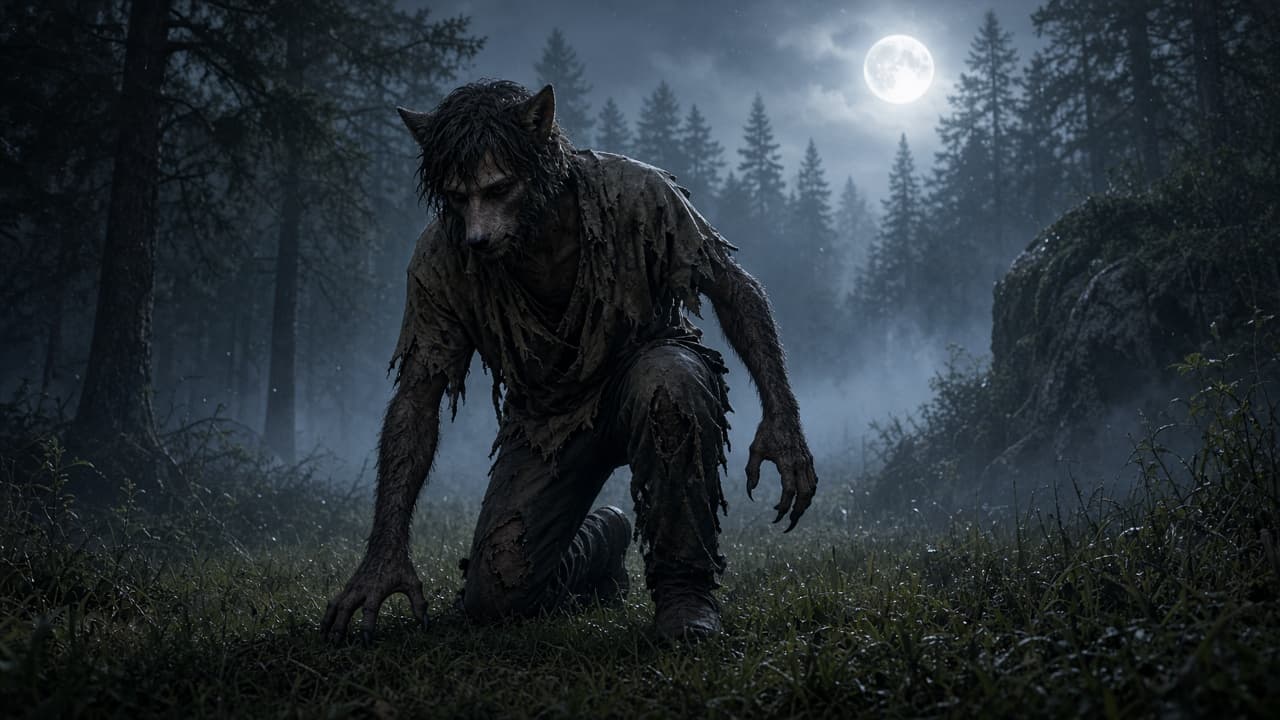
Dreaming that you *are* an animal is different from dreaming that you meet one. Typical-dream research treats transformation as its own theme. The night is about a body that runs on different rules: smell, hunger, pack, flight, freeze. Which animal, whether you liked being it, and whether you could return to human skin decide the meaning more than any Victorian zoo list. Your real history with that species should win. A vet, a farmer, and a person who has never touched a [wolf](/dreams/wolves) will not owe the same reading.
You Are a Wolf, Dog, or Other Pack Animal
Fur, a group, a territory, a howl that is yours.
Pack bodies are social. They stage loyalty, rank, exile, and the relief of not having to explain yourself in sentences. Dogs as a first-person body often lean toward service, belonging, or being owned. Wolves often lean toward a wildness you do not get to use at work. If the pack accepted you, you may be hungry for a group that does not require performance. If the pack hunted you out, a current group may already be doing that more politely.
Biting in first person is different from being bitten. It can be anger you finally inhabited. It can be a fear that your anger would make you unlovable. Morning guilt is not a confession.
You Are a Bird, or You Have Wings
Height, a map, weather in your bones, a nest you cannot explain.
Bird-bodies overlap with flying and with birds as symbols, but the grammar is "I am the thing that leaves." People report this during exits: jobs, towns, marriages, a family role. Difficulty taking off is effortful ambition in feathers. Ease is a night off from gravity, which may be psychological rather than a plan to quit.
If you were a bird in a cage, the species almost does not matter. Constraint is the plot. If you were a bird of prey, competence and appetite are sharing a costume.
You Are a Cat, or Something That Does Not Owe the Room
Solitary, watching, unbothered, or suddenly vicious.
Cat first-person dreams often track a wish to need people less, or a fear that you already do. Independence can be health. It can also be a freeze that looks like elegance. If you were petted and hated it, the week may be too full of other people's hands. If you were petted and purred, the week may be too empty of easy affection.
Scratching someone you love, in their body, is a close-range anger dream. It belongs nearer to betrayal and boundary than to "mystery."
You Are Prey: Deer, Rabbit, Mouse, Fish
Stillness, ears, a field that is too open, water that has no cover.
Prey-bodied dreams are vigilance. They cluster in workplaces with predators, in families that explode, in cities that do not feel walkable, in bodies that have been unsafe. Freeze is as important as flight. Many dreamers report that the animal strategy felt smarter than their human one, which is information about how exhausted their ordinary coping is.
If you were eaten and remained conscious, that is incorporation: a job, a family, a feed that is digesting you while you comment. You can still comment. That commentary is often the waking voice that says this cannot continue and then continues.
Have a Being An Animal dream of your own?
Write what you remember and get a clear reading.
You Switch Between Human and Animal, or Cannot Switch Back
A doorway, a mirror, a moon, a rule you do not remember agreeing to.
Partial transformation is a role conflict. You need the animal toolkit in one room (a negotiation, a dating life, a fight) and the human toolkit in another (a classroom, a parenting hour, a funeral). Stuck animal is a role that will not clock out. Stuck human while everyone else is animal can be the loneliness of being the only one still using manners in a feral system.
Mirrors in this plot are identity checks. If your face would not resolve, the new role has not been named. Invisible is a cousin: disappearing instead of changing species.
Other People Treat You as the Animal
A leash, a zoo, a kitchen floor, laughter, a bowl.
This is a status dream. Someone in waking life may be reducing you to a function: mascot, watchdog, pest, pet. It can also be a fear of being seen as appetites only. Humiliation is the usual weather. If you cooperated, ask whether the reduction comes with perks you have been using (being underestimated, being fed, being excused from speech).
If you were proud of the animal and they were disgusted, you may be growing a trait your current audience does not have language for. That can be a leaving dream.
A Specific Animal From Your Life
Your dog. A childhood horse. A farm animal you raised. A creature you killed on a road.
Personal animals should outrank archetypes. Continuity is almost rude here. Owners dream being the pet they worry about. People who work with livestock dream livestock. A road-kill guilt can replay as first-person fur. Let the relationship win. The dictionary can wait.
Psychological Meaning
Tore Nielsen, Antonio Zadra, and colleagues (2003) used a Typical Dreams Questionnaire that includes being an animal as a recognisable theme, distinct from merely encountering one. That research warrant is why this page exists instead of folding you into wolves or birds.
Carl Jung treated theriomorphic figures as instinct given shape. You can use that without importing a whole metaphysics: ask what the animal could do that your usual self-story forbids. G. William Domhoff's continuity hypothesis then insists that a butcher, a vegan, a zoologist, and a person with a dog in the bed will not owe the same night. Ernest Hartmann's 2011 picture of emotion-in-images explains why the body-swap is efficient. Feeling feral, trapped, free, or hunted is faster as fur than as a speech.
When You Keep Waking Up as the Same Creature
A repeating species usually means a repeating strategy. Predator loops ask where hunger or anger has no legal hour. Prey loops ask where freeze has become the job. Bird loops ask what you are trying to out-altitude. Pack loops ask which group still has your name.
You do not have to "integrate your wolf" as a lifestyle brand. You may need one waking hour where the disowned move is allowed in a safe form: a hard conversation, a run, a boundary, a rest that is not earned. If the transformation is nightly and distressing, treat it as a recurring dream; those respond to rehearsal and to therapy. If last night's species, fur, or failure to change back is still specific,