Quick Answer
Lice in a dream are rarely about insects as animals. They are about something small, living, and socially transmissible that has taken up residence on you, a rumour, a group dynamic, a habit of attention you cannot leave alone, the feeling of being slightly infested by other people's problems. Itching, who else had them, and whether you could get them out do more work than the species. Head lice especially carry schoolyard shame: close contact, children, and the fear that your private mess has become public.
Finding Lice in Your Hair
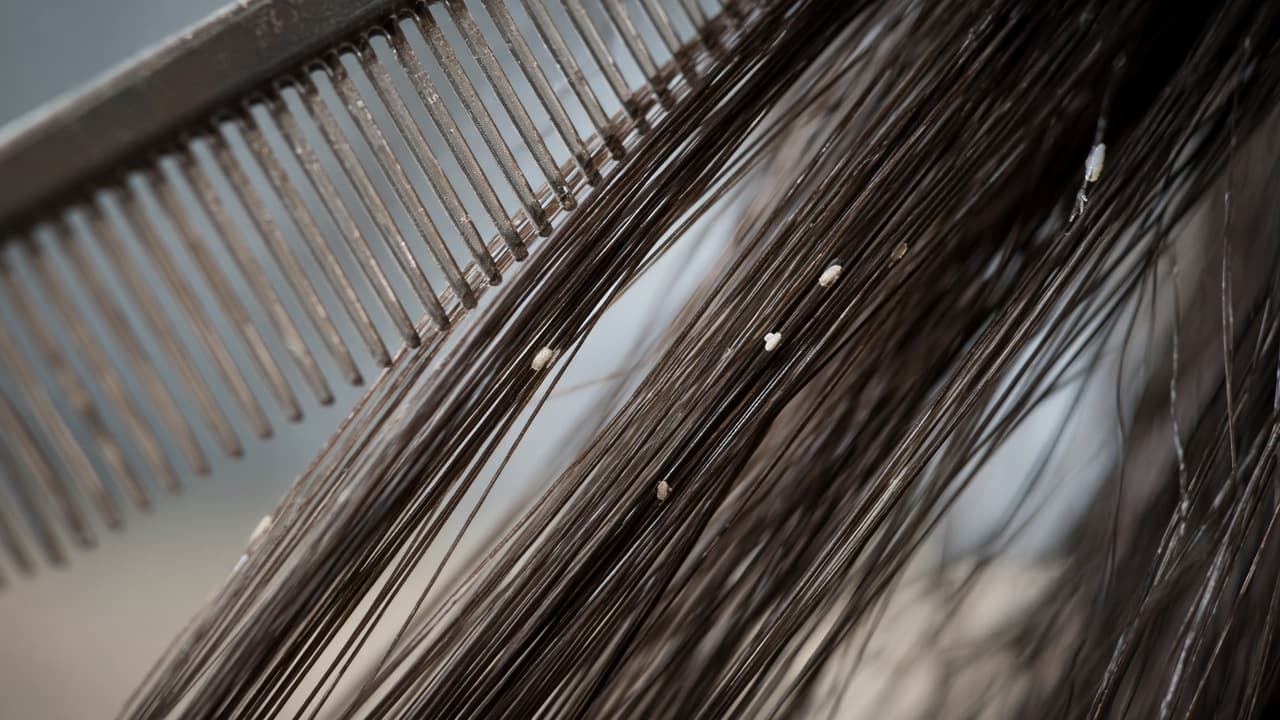
The classic scene is the comb, the bathroom mirror, and the moment you see movement that should not be there. Hair is display and identity, so lice there are about what sits on the self you show people.
These dreams arrive during periods of social stickiness, a workplace you cannot professionally leave, a family argument that has jumped onto you, a friend group's drama that now lives on your scalp whether you asked for it or not. The lice are not the people. They are the residue of contact.
How many you found changes the temperature. One or two you can isolate often maps onto a single remark or a single relationship. A crawling mass more often means the environment itself is the host: the office, the school gate, the group chat.
Lice on a Child
Parents and carers report this one constantly, and it is usually about watchfulness rather than disgust.
School-age children are genuine vectors in waking life, which loads the image. In the dream, though, the child with lice often stands for a vulnerability you are responsible for that you cannot fully control, other families' standards, a classroom, a sibling group. The shame is frequently yours: the fear of being the household that let it happen.
Whether you treated them calmly or panicked is the split. Calm treatment usually means you already know how to handle a messy practical problem. Panic, hiding the child, or refusing to tell the school maps onto stigma you are carrying for the whole family.
Itching With Nothing There
Some dreams never produce a visible louse. You scratch, you search, other people insist they can see them, or you wake still clawing at your head.
Absence-with-itch is an attention dream. Something has colonised your noticing, a slight, a news cycle, a health Google hole, a person whose opinion you keep checking. You cannot show anyone the bug because the infestation is the checking itself.
If someone else in the dream kept pointing and you could not find anything, consider scrutiny: a manager, a parent, a partner who inspects you for faults until you start inspecting yourself.
Being Seen With Lice in Public
A classroom, a bus, a wedding, someone pulling a louse from your hair in front of others. The horror is exposure, not pain.
Public-lice dreams track the specific humiliation of a private problem becoming evidence. Money trouble that has started to show. A relationship that everyone has guessed. Exhaustion that makeup cannot cover. They sit next to naked dreams in function, with an extra layer of "this is catching", you fear other people will not want to sit near you.
Who noticed first is worth naming. A stranger's disgust is generalised social fear. A specific person's disgust is often that person's actual role in your waking shame.
Have a Lice dream of your own?
Write what you remember and get a clear reading.
Combing, Treating, or Washing Them Out
Active-clearance dreams feel different: nit comb, conditioner, hot water, bags of bedding. You are doing something.
These usually accompany a waking campaign already underway, leaving a draining social circle, blocking a number, cleaning a literal house, ending a gossip role you had been playing. Relief after a clean comb is a good sign that the strategy matches the problem.
If they kept coming back as fast as you pulled them, the waking infestation has a source you have not cut. Treat the source, not only the symptoms on your own head.
Lice on Clothes, Skin, or a Hat
Not all lice dreams stay in hair. Body lice and clothing versions shift the meaning toward conditions and class anxiety, the sense of being marked as someone who cannot keep themselves.
Hats, hoods, and shared headphones in the dream often point at borrowed identity: you put on a group's attitude and it came with passengers. Skin-crawling without hair can overlap with other insect dreams and with contamination fear; if you live with health anxiety, rate how much of the intensity is the anxiety's volume rather than a new symbol.
Blood spots on a pillow in the dream are a common lice-adjacent image. They tend to mark that the thing feeding on you has been doing it long enough to leave evidence.
Other People Have Lice and You Do Not
You are the inspector here: a classroom of children, a partner's scalp, a stranger on a train. Your own hair is clean.
This can be relief, superiority, or hypervigilance. Relief after a real infestation in the family is just memory. Superiority, counting other people's lice, often tracks a period of judging a group you are afraid of joining. Hypervigilance is the carer's dream: you cannot enjoy being clean because you are scanning everyone else.
If you refused to touch them, the boundary is the reading. If you helped despite disgust, you are probably already the person who handles the unpleasant jobs.
Psychological Meaning
Ernest Hartmann's work on the contextualising image (developed across the 1990s and summarised in The Nature and Functions of Dreaming, 2011) is a good fit for lice. Hartmann argued that dreams take a dominant emotion and find a picture that matches its feel. Social disgust, itchy attention, and the sense of being used as a host are hard to draw as abstractions. Lice do the job: they live on you, they itch, they spread through closeness, and they carry schoolyard shame.
That is why the same emotion can cast spiders for one dreamer and lice for another. Spiders are a threat you can see across the room. Lice are a threat that has already made contact. If your waking week has been about rumours, clingy groups, or a problem that jumped from someone else's life onto your time, lice are an efficient picture.
The itch on waking is still worth a practical check. Dreams incorporate real skin sensation. Then ask who or what has been living rent-free on your attention.
When the Itch Will Not Leave the Night
Recurring lice dreams usually mean the social residue is still on you, a group you have not left, a rumour you keep monitoring, a caretaking role that puts you in other people's hair. Name the contact. Reduce it in one concrete way: mute the thread, skip the gate, wash the actual bedding if that is the mundane truth.
If you have children and school lice notices are currently real, the dream may simply be that week's admin wearing a nightmare costume. Handle the comb, then see whether the dream still has anything left to say.


