
Lucid dreaming masks and devices promise to do the hard part for you: notice you're in REM sleep and nudge you into realizing you're dreaming. Do they work? Sometimes, a little, and mostly for people who are already practicing.
Here's what the research suggests, the device we'd look at, and the cheaper gear that matters more.
Some links in this guide go to Amazon. If you buy through them we may earn a commission, at no extra cost to you. As an Amazon Associate we earn from qualifying purchases.
Quick picks
- Best lucid dreaming device: lucidcode INSPEC: a bedside camera that spots REM sleep and cues you, with nothing to wear.
- Best for wake-back-to-bed: Manta Sleep Mask: total darkness for getting back to sleep during wake-back-to-bed.
- Most important tool: Leuchtturm1917 A5 Notebook: the dream journal that every lucid dreaming method depends on.
Lucid dreaming gear compared
| Pick | Type | Best for | Typical price |
|---|---|---|---|
| lucidcode INSPEC | REM-detecting cue device | Tech-minded lucid dreamers | See Amazon |
| Manta Sleep Mask | Sleep mask | Falling back asleep after an early wake-up | $35–$45 |
| MUSICOZY Sleep Headphones | Bluetooth headband | Playing cues or guided induction | $13–$20 |
| Oura Ring 4 | Smart ring | Learning when your REM happens | $349–$499 |
| Leuchtturm1917 A5 Notebook | Dream journal | Recalling dreams and spotting dream signs | $20–$28 |
| Exploring the World of Lucid Dreaming | Book | Learning techniques that work | $12–$20 |
Prices are typical ranges and change often. Check Amazon for today's price.
The best lucid dreaming devices and gear
Best lucid dreaming device
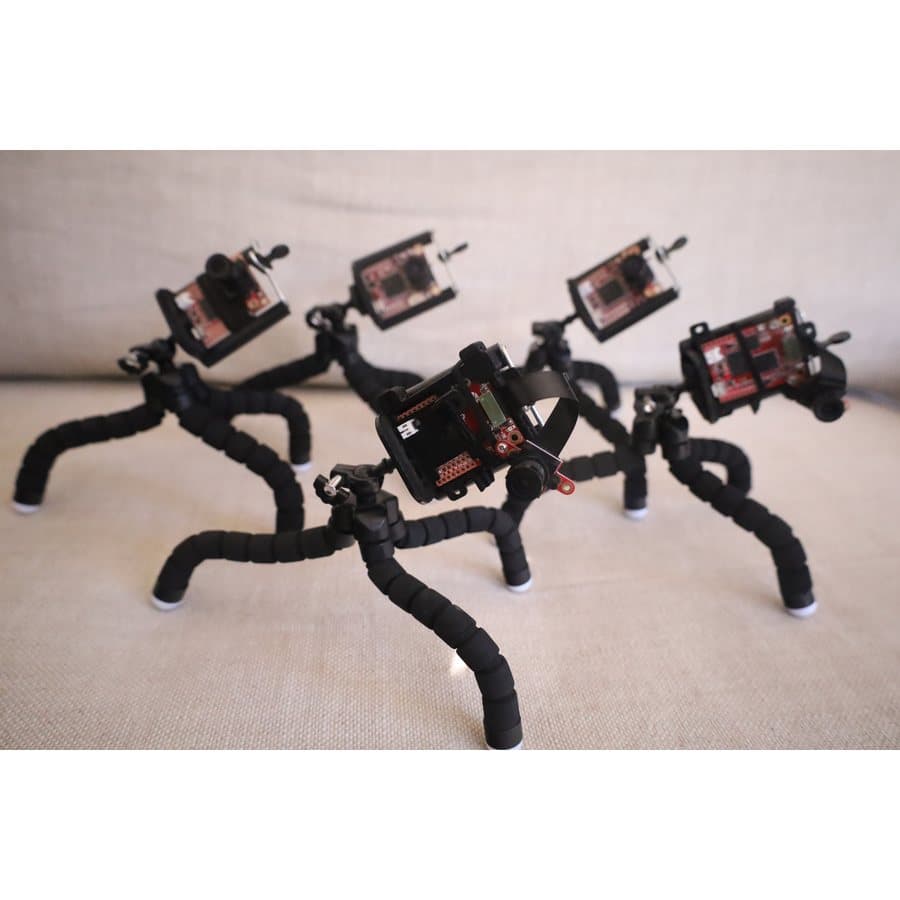
1. lucidcode INSPEC
- Detects REM with a camera
- Light and sound cues
- Nothing to wear
Most lucid dreaming masks either flash lights on a timer or need you to wear electronics all night. INSPEC takes a different route: a small infrared camera on a tripod watches for the rapid eye movements of REM sleep, then triggers light and audio cues through a companion app.
Because nothing touches you, it avoids the comfort problems that sank many older masks. It's new to Amazon, needs mains power and a clear view of your face, and hasn't been independently tested, so treat it as an experiment rather than a shortcut.
Buy it if
You've been practicing lucid dreaming techniques and want to experiment with cues.
Skip it if
You're new to lucid dreaming. Start with a journal and the techniques first.
Best for wake-back-to-bed
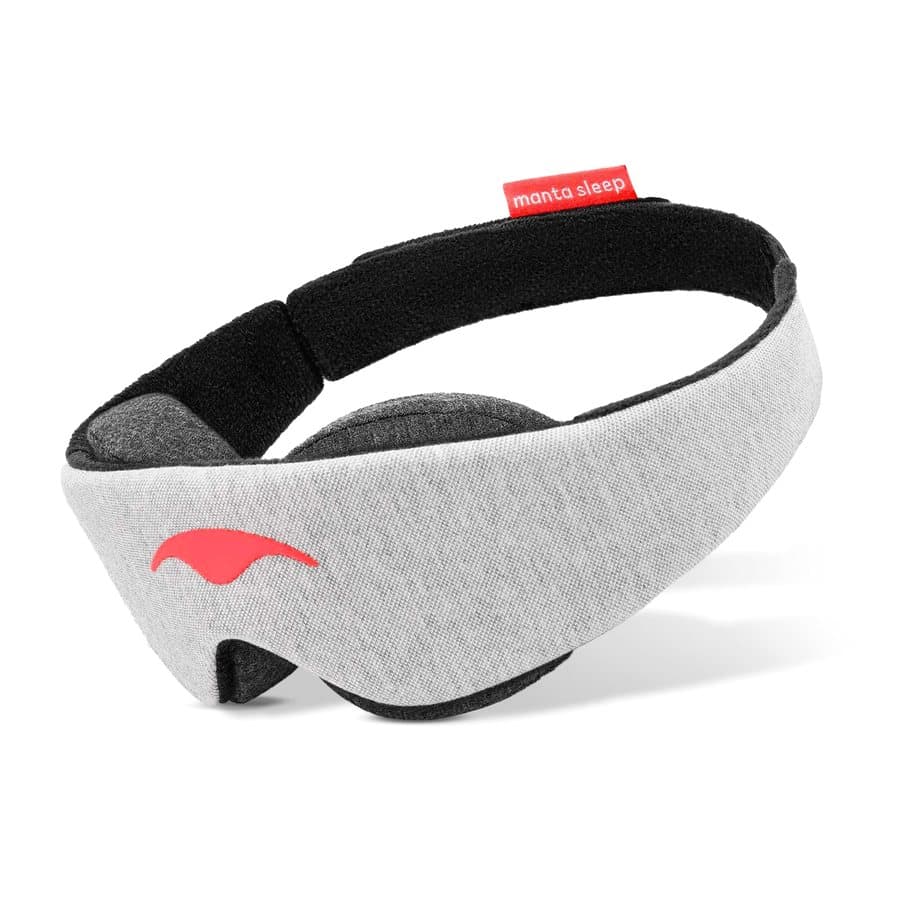
2. Manta Sleep Mask
- Total darkness
- No pressure on eyes
- Adjustable eye cups
Wake-back-to-bed is one of the most reliable lucid dreaming techniques: you wake after five or six hours, stay up briefly, then go back to sleep straight into REM-rich sleep. The hard part is falling back asleep once the sun is up.
Manta's mask blocks light completely without pressing on your eyes, which makes those early-morning attempts much easier.
Buy it if
You try wake-back-to-bed and struggle to fall asleep again.
Skip it if
Your bedroom is already completely dark.
Check price on AmazonUsually $35–$45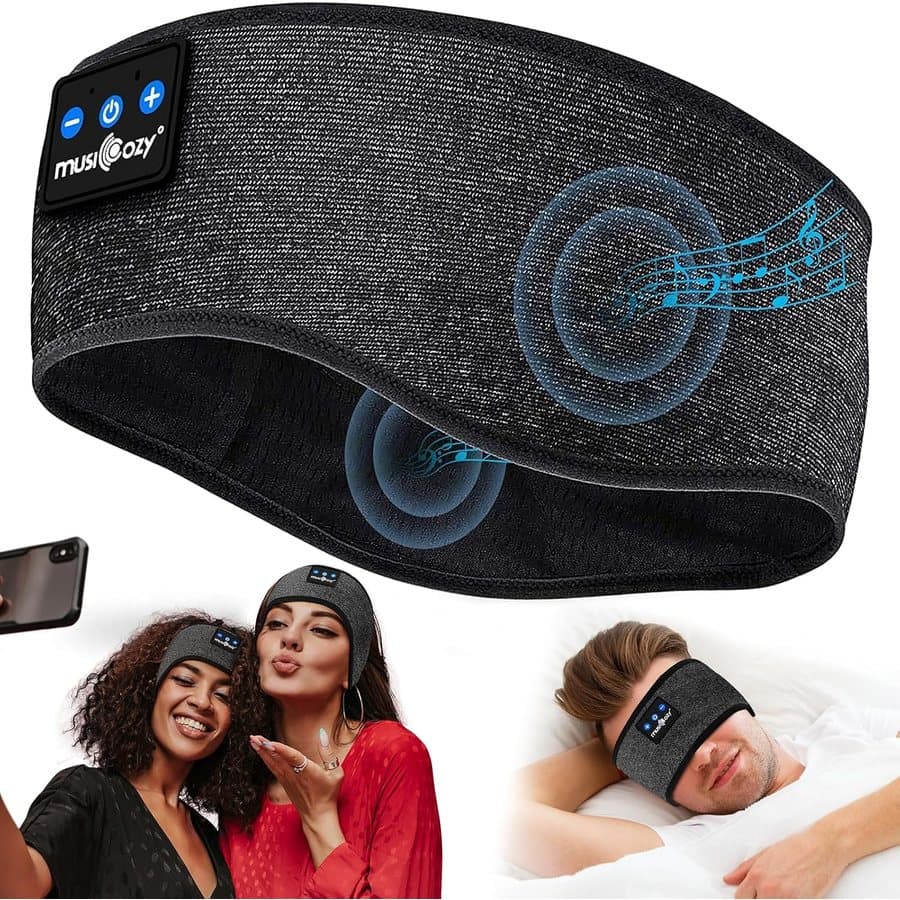
Best for audio cues
3. MUSICOZY Sleep Headphones
- Comfortable all night
- Thin flat speakers
- Bluetooth
Some lucid dreaming methods use sound: a guided induction as you fall asleep, or a quiet cue played later in the night. A soft headband is far more comfortable for this than earbuds.
Pair it with a sleep or lucid dreaming app that can schedule sounds.
Buy it if
You want to try guided induction or sound cues.
Skip it if
You'd rather not have anything on your head at night.
Check price on AmazonUsually $13–$20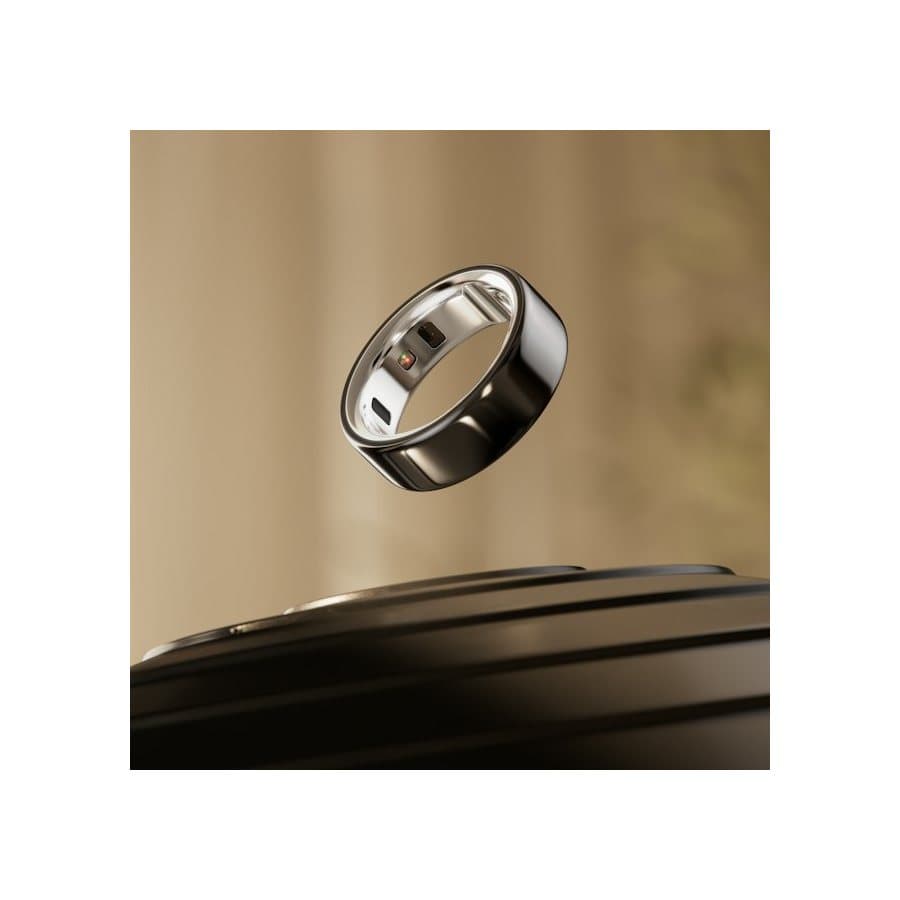
Best for timing your attempts
4. Oura Ring 4
- Sleep stage estimates
- Comfortable all night
- Membership required
Lucid dreams mostly happen in REM sleep, which gets longer toward morning. A tracker won't make you lucid, but a few weeks of data can show roughly when your longest REM periods tend to fall, which helps you time wake-back-to-bed.
Stage estimates from any wearable are approximate. Use the patterns, not individual nights.
Buy it if
You already want a sleep tracker and would use the data.
Skip it if
You're buying it only for lucid dreaming. An alarm set for five or six hours does most of the job.
Check price on AmazonUsually $349–$499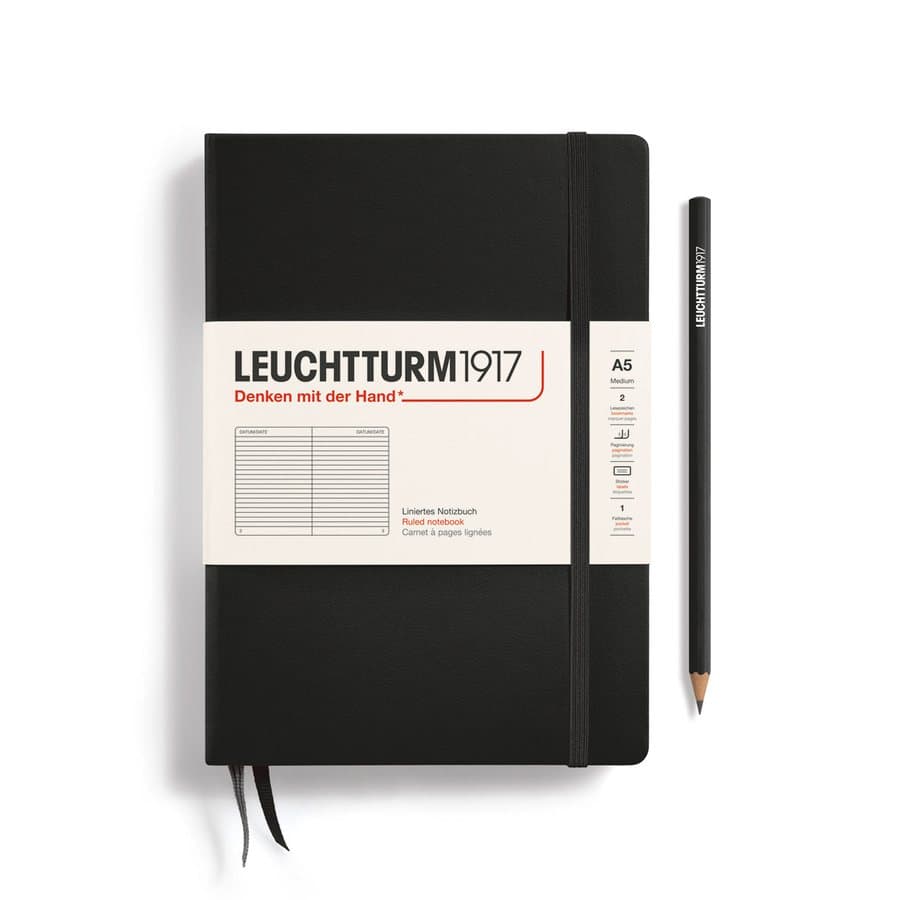
Most important tool
5. Leuchtturm1917 A5 Notebook
- Numbered pages
- Index at the front
- Lies flat
Every lucid dreaming book says the same thing first: keep a dream journal. Better recall means more chances to notice you're dreaming, and a written record shows your personal dream signs, the odd things that keep appearing.
Leuchtturm's numbered pages and index make it easy to track those signs over time.
Buy it if
You don't keep a dream journal yet.
Skip it if
You already journal in an app.
Check price on AmazonUsually $20–$28
Best book
6. Exploring the World of Lucid Dreaming
- By Stephen LaBerge
- Research-based
- Step-by-step exercises
Stephen LaBerge helped pioneer lucid dreaming research, including early light-cue devices. His book teaches the techniques that work without any gadget at all, and explains how cues fit in.
If you buy one thing from this list, buy this or a journal.
Buy it if
You want to learn lucid dreaming properly.
Skip it if
You already own it. See our other lucid dreaming books.
Check price on AmazonUsually $12–$20
Do lucid dreaming devices work?
The idea is sound. In small lab studies going back to the 1990s, researchers found that flashing lights or playing sounds during REM sleep helped some people become lucid, especially when they'd practiced recognizing the cue before bed. Newer studies pairing sound cues with training before sleep have found similar effects.
Consumer devices are a different story. Few have been tested independently, cues can just as easily wake you up, and many older masks were uncomfortable enough to wreck your sleep. That's why some once-popular masks, like the Remee and REM Dreamer, are now hard to find or listed as unavailable.
Our take: a device can help an experienced lucid dreamer get more consistent. It won't replace the basics.
The basics that matter more
- Keep a dream journal every morning, even for fragments.
- Do reality checks during the day, like reading text twice or looking at your hands.
- Try wake-back-to-bed: wake after five or six hours, stay up for a few minutes, then go back to sleep intending to notice you're dreaming.
- Use MILD: as you fall back asleep, repeat that you'll realize you're dreaming, and picture yourself doing it.
Our lucid dreaming guide for beginners explains each step, and the REM sleep calculator can help you time wake-back-to-bed.
Have a dream of your own?
Write what you remember and get a clear reading.
How we picked
Every product here is sold on Amazon US. We included one current REM-detecting device, plus the simple tools that support the techniques with the most evidence behind them. We chose from product details, published research and long-running owner feedback rather than testing devices ourselves.
FAQ
Do lucid dreaming masks really work?
Light and sound cues during REM have helped some people in lab studies, but consumer masks haven't been tested well. They tend to work best for people already practicing lucid dreaming techniques.
What is the best lucid dreaming device?
Of the devices currently on Amazon, the lucidcode INSPEC is the most interesting, because it detects REM with a camera rather than a mask. For most people, a journal and a good book will do more.
Is lucid dreaming safe?
For most people, yes. The main risk is cutting into your sleep with too many early wake-ups. Go easy if you're prone to sleep paralysis or have a sleep disorder.