
The best lucid dreaming books do two things: teach you techniques that actually work, and help you stick with them long enough to have your first lucid dream. Most people need a few weeks of practice, and a good book makes that easier.
Here are the books we'd recommend, from beginner guides to deeper practice.
Some links in this guide go to Amazon. If you buy through them we may earn a commission, at no extra cost to you. As an Amazon Associate we earn from qualifying purchases.
Quick picks
- Best overall: Exploring the World of Lucid Dreaming: the classic, research-based guide most lucid dreamers start with.
- Best for beginners: A Field Guide to Lucid Dreaming: an illustrated, easy-going introduction.
Lucid dreaming books compared
| Book | Type | Best for | Typical price |
|---|---|---|---|
| Exploring the World of Lucid Dreaming | Practical guide | Learning techniques that are backed by research | $12–$20 |
| A Field Guide to Lucid Dreaming | Beginner's guide | A fun, easy first book | $12–$18 |
| Are You Dreaming? | Comprehensive guide | Serious practice | $15–$22 |
| Lucid Dreaming: Gateway to the Inner Self | Exploration | Experienced lucid dreamers | $14–$22 |
| Lucid Dreaming, Plain and Simple | Practical guide | Busy beginners | $12–$18 |
| The Tibetan Yogas of Dream and Sleep | Buddhist practice | Meditation and dream yoga | $15–$22 |
| Dreams of Awakening | Practical and mindful | Combining mindfulness and lucidity | $14–$20 |
Prices are typical ranges and change often. Check Amazon for today's price.
The 7 best lucid dreaming books
Best overall
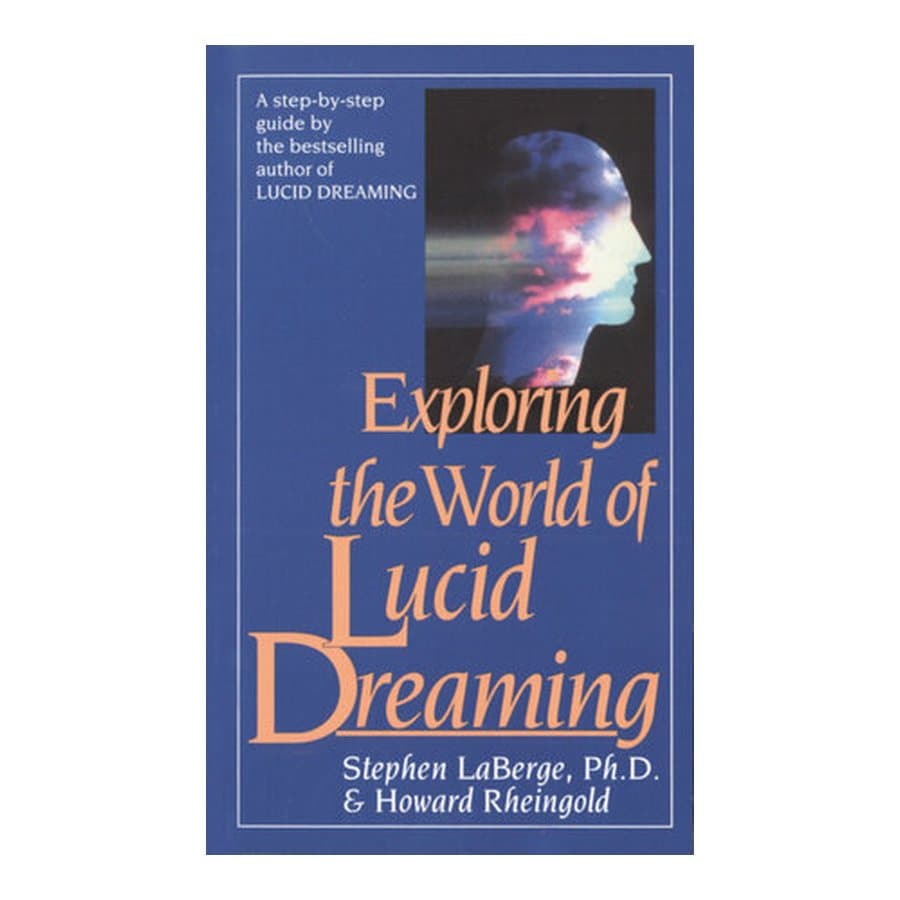
1. Exploring the World of Lucid Dreaming
- By Stephen LaBerge and Howard Rheingold
- Step-by-step exercises
- From a sleep researcher
Stephen LaBerge did much of the early lab research on lucid dreaming at Stanford, and this is still the book most lucid dreamers start with. It explains what lucid dreams are and walks through techniques like reality testing and MILD, with exercises you can try that night.
Some details feel dated, but the core methods are the ones still taught today.
Buy it if
You want one book that teaches you how to start lucid dreaming.
Skip it if
You want the latest research. Pair it with a newer book below.
Check price on AmazonUsually $12–$20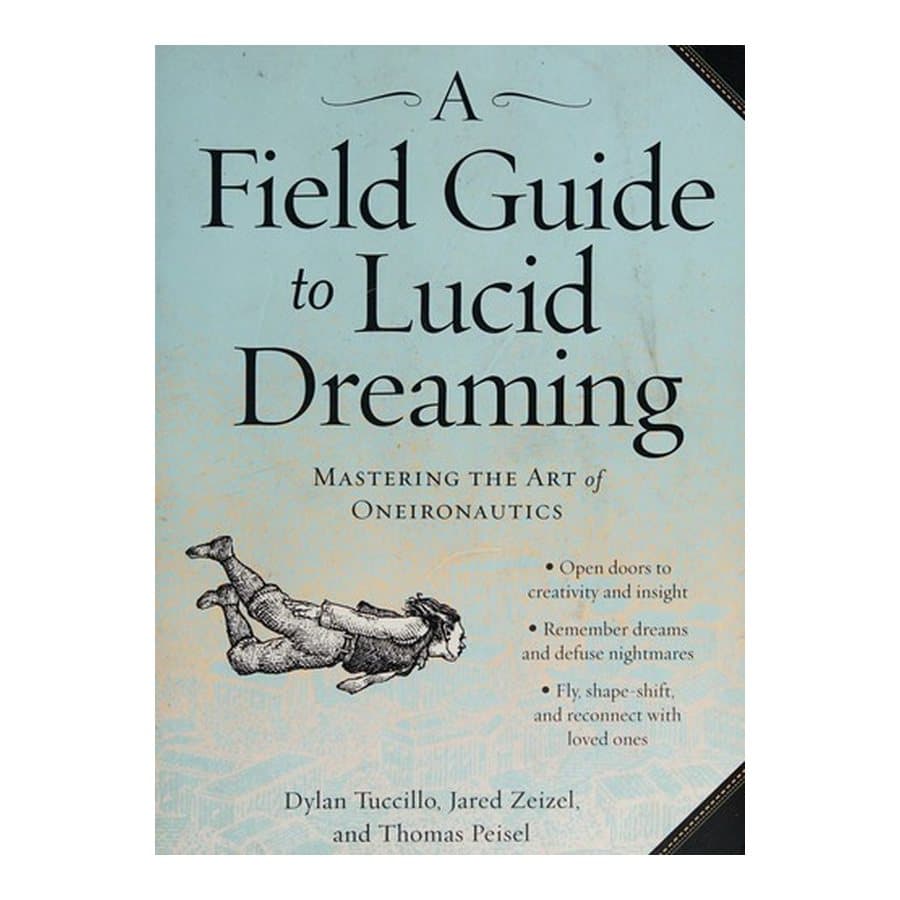
Best for beginners
2. A Field Guide to Lucid Dreaming
- By Dylan Tuccillo, Jared Zeizel and Thomas Peisel
- Illustrated
- Short chapters
This is the friendliest book on the list. Short chapters, playful illustrations and clear steps make it easy to read in a couple of evenings and start practicing straight away.
It covers the basics well: dream journals, reality checks, spotting dream signs and what to do once you're lucid.
Buy it if
You're new to lucid dreaming and want something light and practical.
Skip it if
You want depth on the research or the spiritual side.
Check price on AmazonUsually $12–$18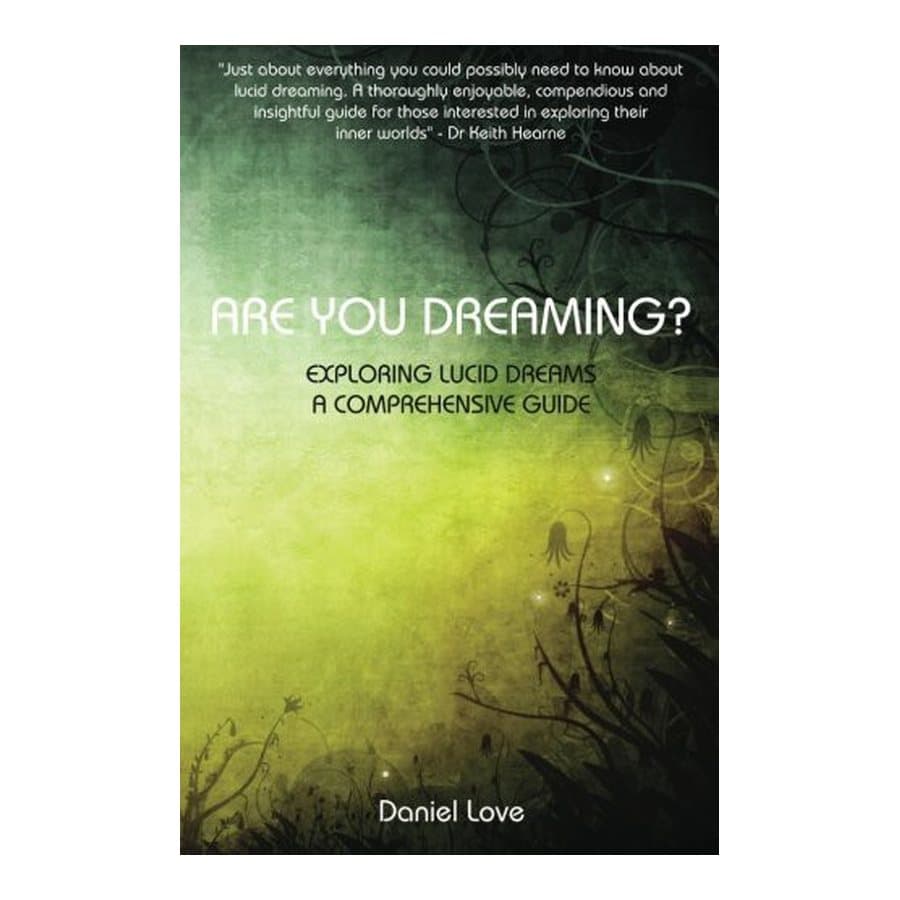
Most thorough how-to
3. Are You Dreaming?
- By Daniel Love
- Detailed techniques
- Troubleshooting
Daniel Love's book is the deep dive. It covers a wide range of induction techniques, explains the reasoning behind each, and spends real time on common problems like waking up as soon as you become lucid.
Lucid dreaming communities recommend it often, and it rewards slow reading.
Buy it if
You've tried the basics and want to get more consistent.
Skip it if
You want a quick introduction first.
Check price on AmazonUsually $15–$22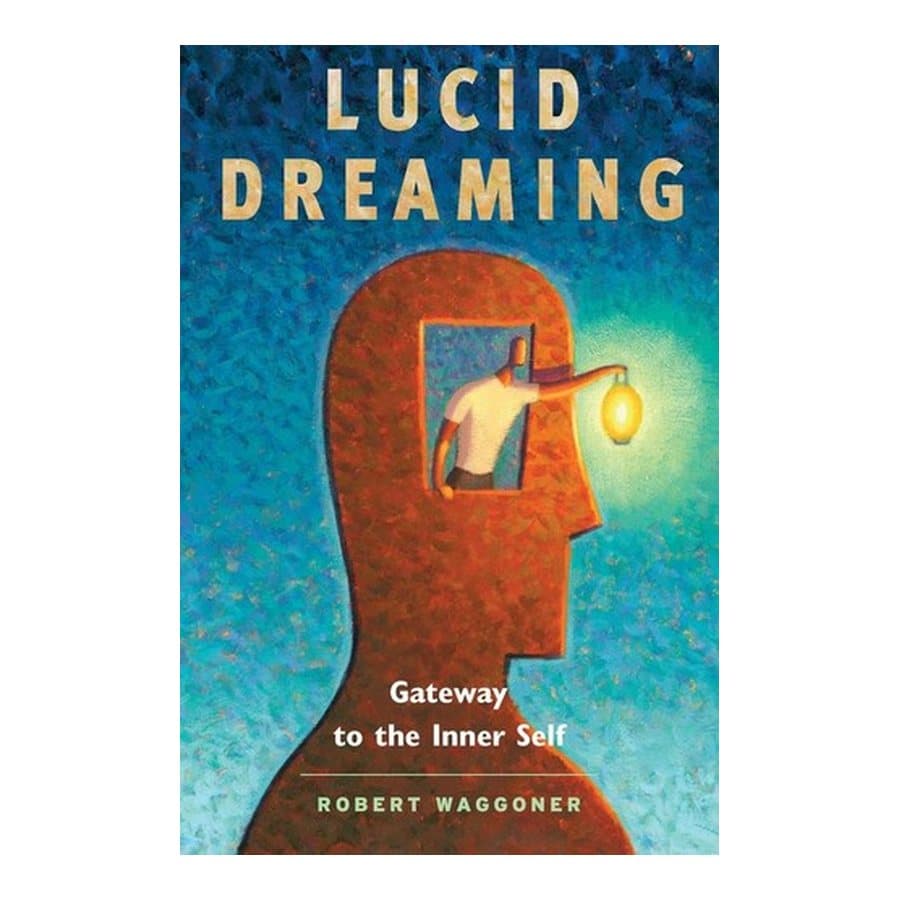
Best for going deeper
4. Lucid Dreaming: Gateway to the Inner Self
- By Robert Waggoner
- Five-stage model
- Decades of personal practice
Robert Waggoner has kept lucid dream journals for decades, and this book is about what you can do once you're lucid. He describes a five-stage model of lucid dreaming and explores questions about the unconscious that most how-to books skip.
Best after you've had a few lucid dreams and want to explore further.
Buy it if
You're already lucid dreaming and curious about what comes next.
Skip it if
You haven't had your first lucid dream yet.
Check price on AmazonUsually $14–$22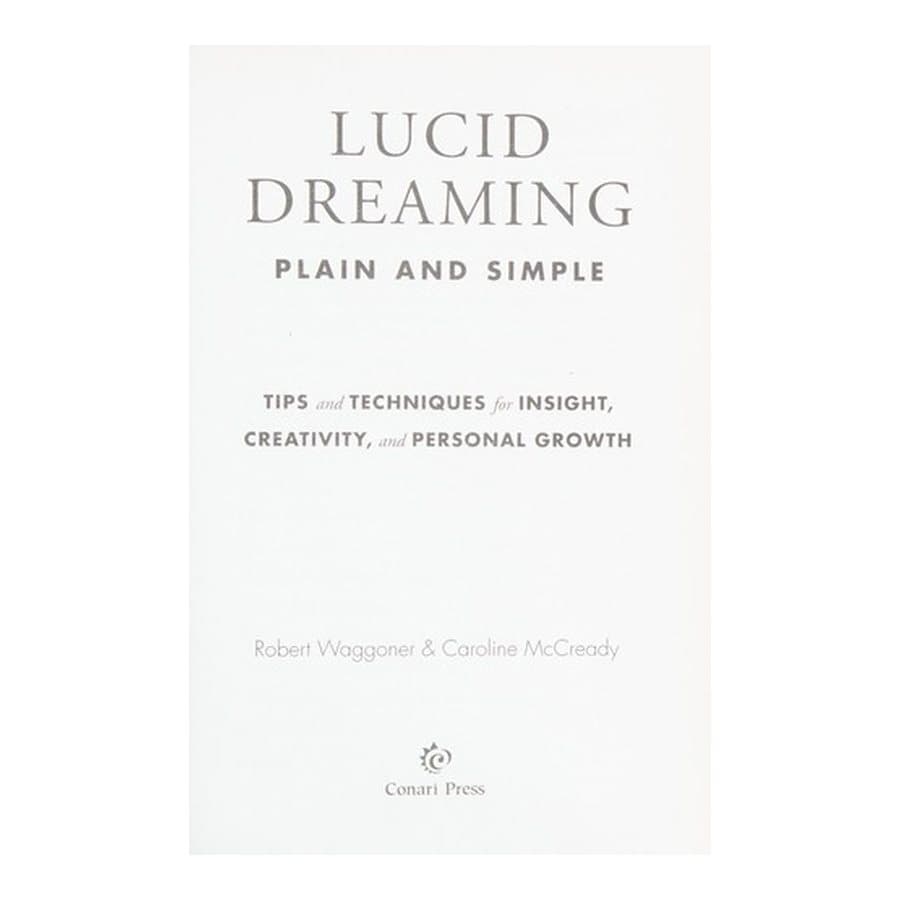
Best short practical book
5. Lucid Dreaming, Plain and Simple
- By Robert Waggoner and Caroline McCready
- Tips and techniques
- Compact
A shorter, more practical companion to Waggoner's bigger book, co-written with Caroline McCready. It covers techniques, common obstacles and uses for lucid dreams like creativity and nightmares, without the deeper exploration.
A good pick if you want something you can finish quickly.
Buy it if
You want practical advice in a compact book.
Skip it if
You already own Exploring the World of Lucid Dreaming. There's overlap.
Check price on AmazonUsually $12–$18
Best spiritual approach
6. The Tibetan Yogas of Dream and Sleep
- By Tenzin Wangyal Rinpoche
- Tibetan Bon tradition
- Meditation practices
Long before lab research, Tibetan traditions practiced dream yoga. Tenzin Wangyal Rinpoche explains these practices for a Western audience, treating lucid dreaming as part of a wider meditation practice rather than an end in itself.
It's a very different read from the Western how-to books, and many people find it deepens their practice.
Buy it if
You meditate, or want lucid dreaming to be part of something bigger.
Skip it if
You want a secular, technique-focused book.
Check price on AmazonUsually $15–$22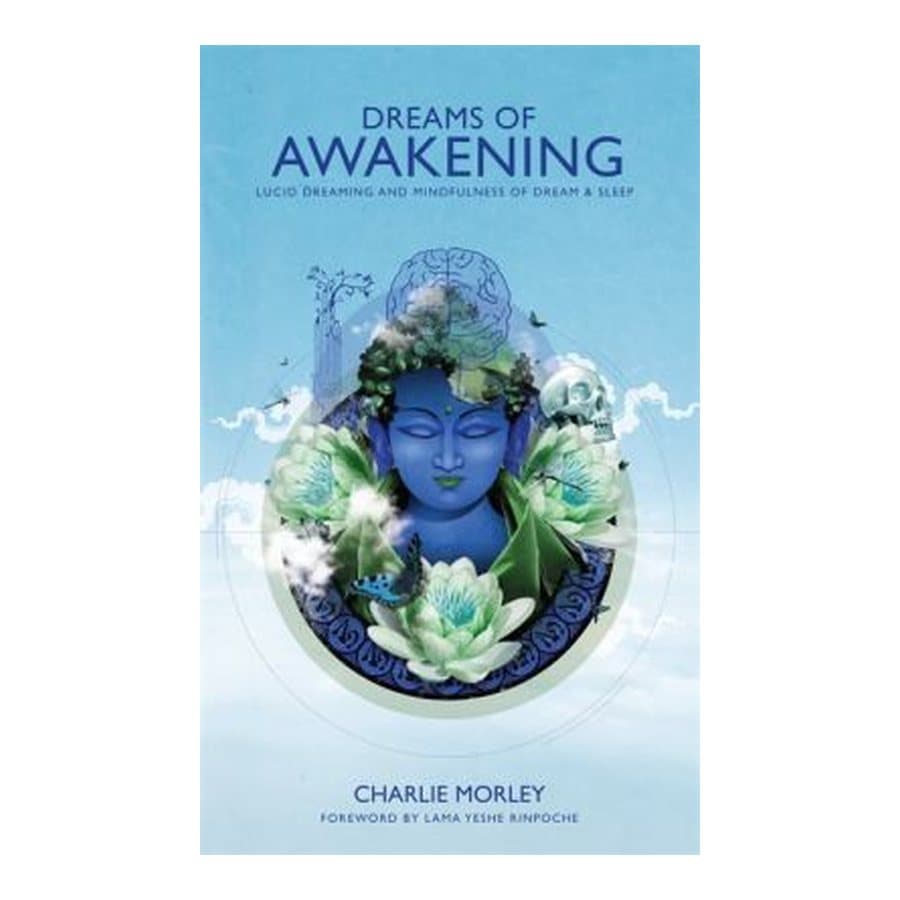
Best mindful approach
7. Dreams of Awakening
- By Charlie Morley
- Mindfulness-based
- Nightmares and shadow work
Charlie Morley teaches lucid dreaming from a mindfulness angle, drawing on Tibetan Buddhism but writing for everyday readers. He's especially good on using lucidity to face nightmares rather than escape them.
A good bridge between the practical books and the Tibetan Yogas.
Buy it if
You'd like lucid dreaming to help with nightmares or emotional work.
Skip it if
You want a purely technical guide.
Check price on AmazonUsually $14–$20
How we picked
Every book here is sold on Amazon US. We chose books by researchers and long-time practitioners, covering the main approaches: lab-based techniques, practical beginner guides and meditation traditions. We picked from the books and their authors' backgrounds rather than ranking them by sales.
Where to start
- Total beginner: A Field Guide to Lucid Dreaming, then Exploring the World of Lucid Dreaming.
- Tried it and stalled: Are You Dreaming?.
- Interested in meditation: Dreams of Awakening, then The Tibetan Yogas of Dream and Sleep.
Whichever you pick, start a dream journal. Almost every technique depends on remembering your dreams well. Our lucid dreaming guide for beginners covers the basics, and the lucid dream readiness quiz suggests where to begin.
Have a dream of your own?
Write what you remember and get a clear reading.
A note on sleep
Some techniques, like waking up early and going back to bed, cut into your sleep. Don't let practice turn into regular sleep deprivation, and skip it if you have a sleep disorder or a history of sleep paralysis that distresses you.
FAQ
What is the best book for learning lucid dreaming?
Exploring the World of Lucid Dreaming by Stephen LaBerge and Howard Rheingold is the classic. A Field Guide to Lucid Dreaming is the easiest for complete beginners.
How long does it take to learn lucid dreaming?
It varies a lot. Some people have a lucid dream within days of starting, while others take weeks or months of steady practice.
Do I need a device to lucid dream?
No. Most lucid dreamers use journaling and mental techniques alone. See our guide to lucid dreaming masks and devices for what gadgets can and can't do.