
There's no right way to grieve, and no book can take the pain away. But the right book, at the right time, can make you feel less alone and give you words for what you're carrying.
These are the books we'd suggest for adults, with a note on the kind of loss each one speaks to.
Some links in this guide go to Amazon. If you buy through them we may earn a commission, at no extra cost to you. As an Amazon Associate we earn from qualifying purchases.
Quick picks
- Best overall: It's OK That You're Not OK: a compassionate book that doesn't try to fix your grief.
- Best memoir: The Year of Magical Thinking: Joan Didion's precise, unforgettable account of losing her husband.
- Best short read: A Grief Observed: C. S. Lewis's short, raw notebooks after his wife's death.
Grief books compared
| Book | Type | Best for | Typical price |
|---|---|---|---|
| It's OK That You're Not OK | Practical and compassionate | Any loss, especially in the early months | $12–$20 |
| The Year of Magical Thinking | Memoir | Losing a spouse or partner | $10–$17 |
| A Grief Observed | Memoir and faith | Honest grief, with or without faith | $8–$15 |
| Bearing the Unbearable | Compassionate guide | Losing a child or sudden death | $14–$20 |
| Finding Meaning | Guide | Finding a way forward | $15–$28 |
| Option B | Memoir and research | Rebuilding life after sudden loss | $12–$28 |
| The Grief Recovery Handbook | Step-by-step program | People who like structure | $12–$18 |
| Motherless Daughters | Research and stories | Daughters who lost their mother | $12–$20 |
Prices are typical ranges and change often. Check Amazon for today's price.
The 8 best grief books for adults
Best overall
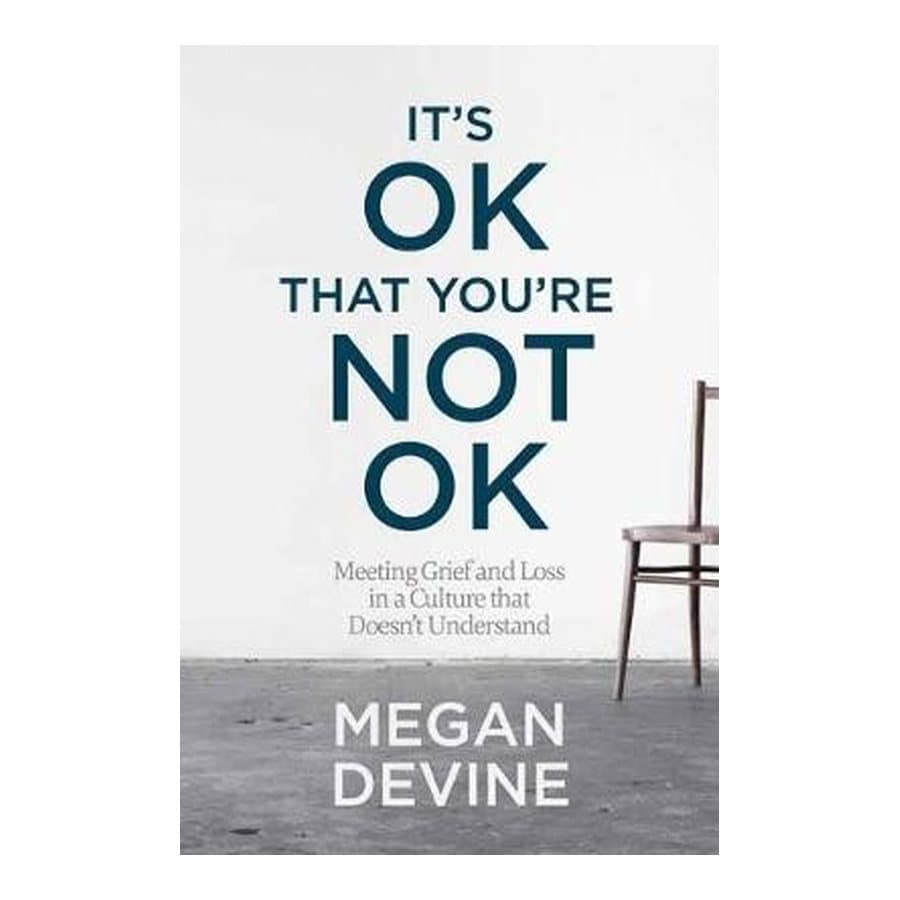
1. It's OK That You're Not OK
- By Megan Devine
- Grief therapist and widow
- No pressure to "move on"
Megan Devine is a therapist who lost her partner suddenly, and she found most advice about grief made things worse. Her book says what many grieving people need to hear: grief isn't a problem to solve, and it's okay that you're not okay.
It mixes honesty with practical help for getting through the days, and a section for friends who want to support you.
Buy it if
You're tired of being told to look on the bright side.
Skip it if
You want a memoir rather than guidance.
Check price on AmazonUsually $12–$20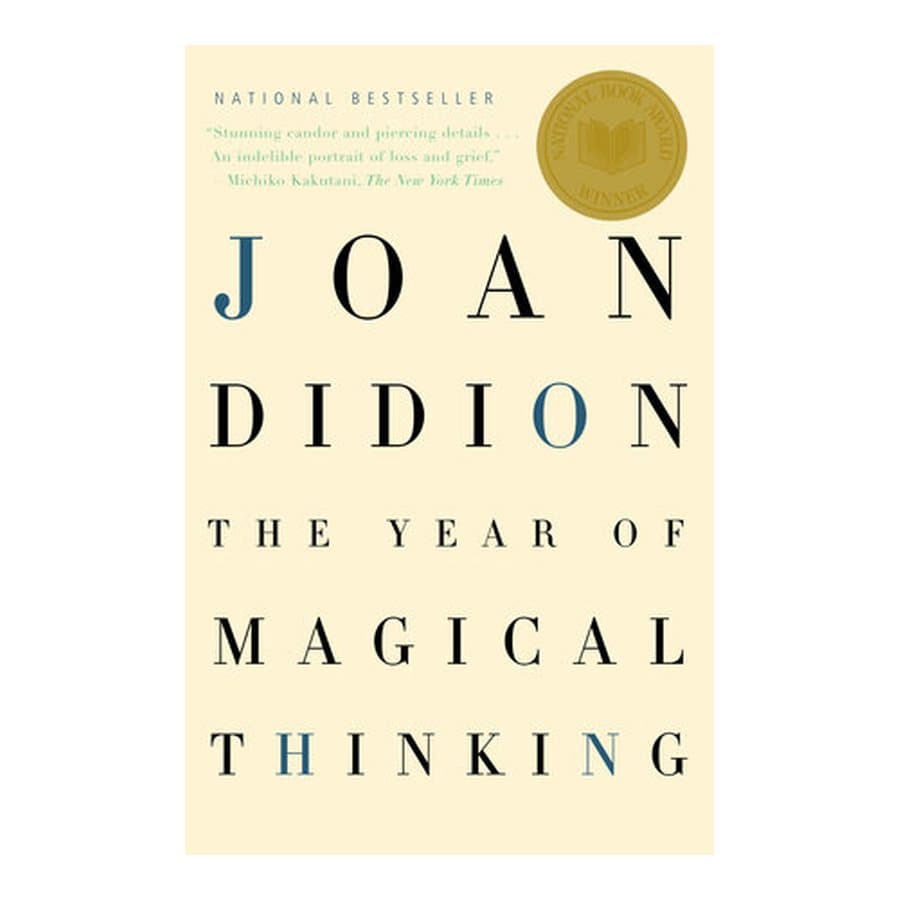
Best memoir
2. The Year of Magical Thinking
- By Joan Didion
- National Book Award winner
- Clear-eyed and precise
Joan Didion wrote this in the year after her husband died suddenly, while their daughter was seriously ill. It captures the strange, half-believing thinking of early grief with rare precision.
It doesn't offer advice. Many people find comfort simply in seeing their own experience described so exactly.
Buy it if
You want to feel understood rather than advised.
Skip it if
You need practical steps right now.
Check price on AmazonUsually $10–$17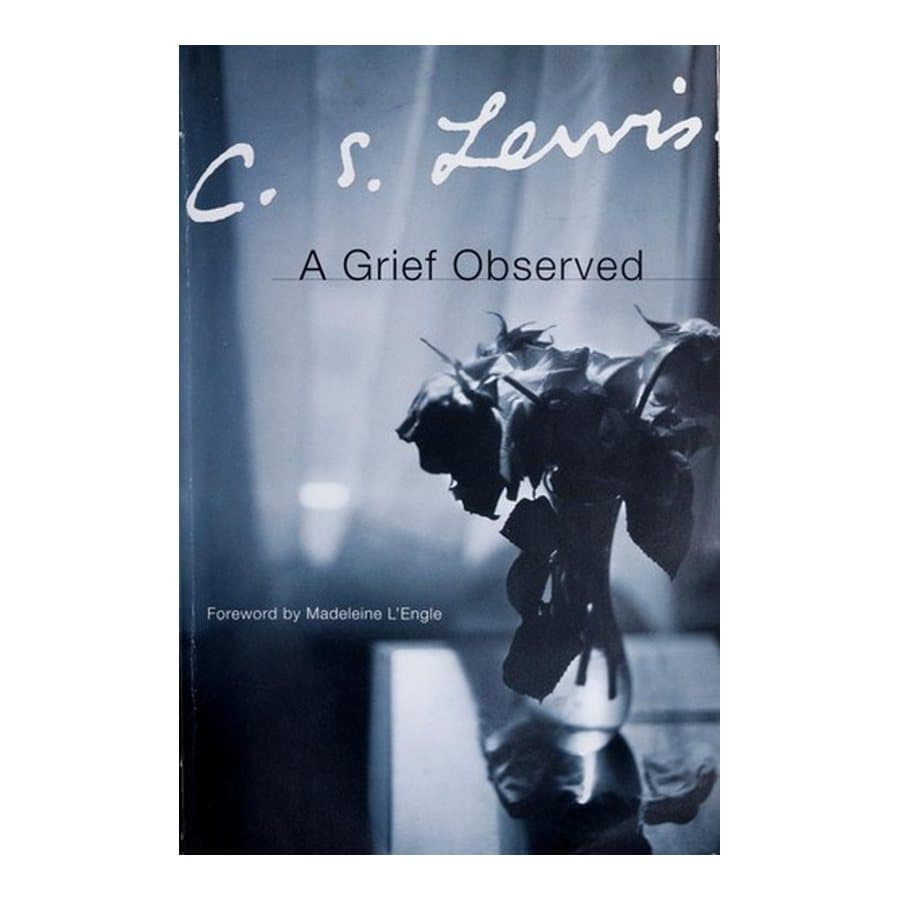
Best short read
3. A Grief Observed
- By C. S. Lewis
- Short enough to read in an evening
- Raw and honest
C. S. Lewis wrote these notebooks after the death of his wife, Joy Davidman, and first published them under a pen name. They're raw, angry and searching, including about his faith, which is exactly why so many people find them comforting.
It's very short, which helps when concentration is hard.
Buy it if
You want something brief and honest.
Skip it if
You'd rather avoid questions of faith.
Check price on AmazonUsually $8–$15
Best for traumatic loss
4. Bearing the Unbearable
- By Joanne Cacciatore
- Bereaved mother and researcher
- Short chapters
Joanne Cacciatore is a bereavement researcher and counselor who lost her own baby daughter. Her book is written for the most devastating losses, in short chapters you can read one at a time.
It honors grief as an expression of love rather than something to get over.
Buy it if
Your loss feels too big for ordinary grief books.
Skip it if
You're looking for a structured program.
Check price on AmazonUsually $14–$20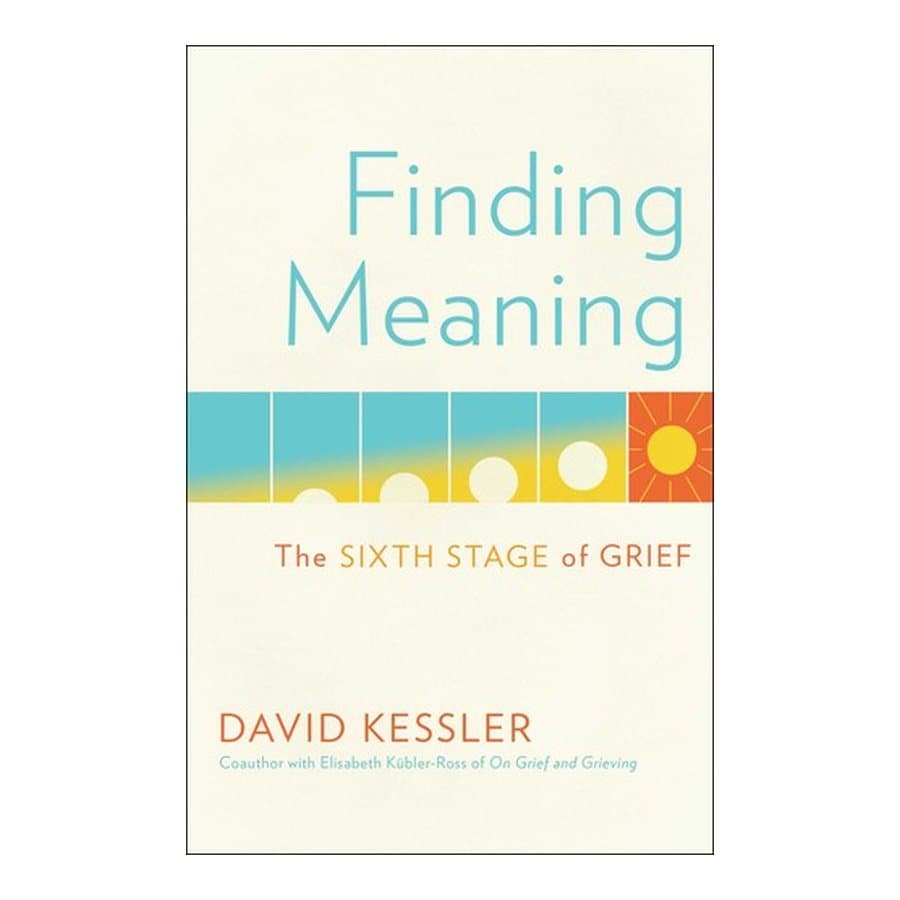
Best for later in grief
5. Finding Meaning
- By David Kessler
- Co-author with Elisabeth Kübler-Ross
- Written after losing his son
David Kessler worked with Elisabeth Kübler-Ross on the famous stages of grief, and after his own son died, he proposed a sixth: finding meaning. Not meaning in the death itself, but in how you carry the love forward.
Better a little later in grief than in the first raw weeks.
Buy it if
You're ready to think about living alongside the loss.
Skip it if
Your loss is very recent. Start with It's OK That You're Not OK.
Check price on AmazonUsually $15–$28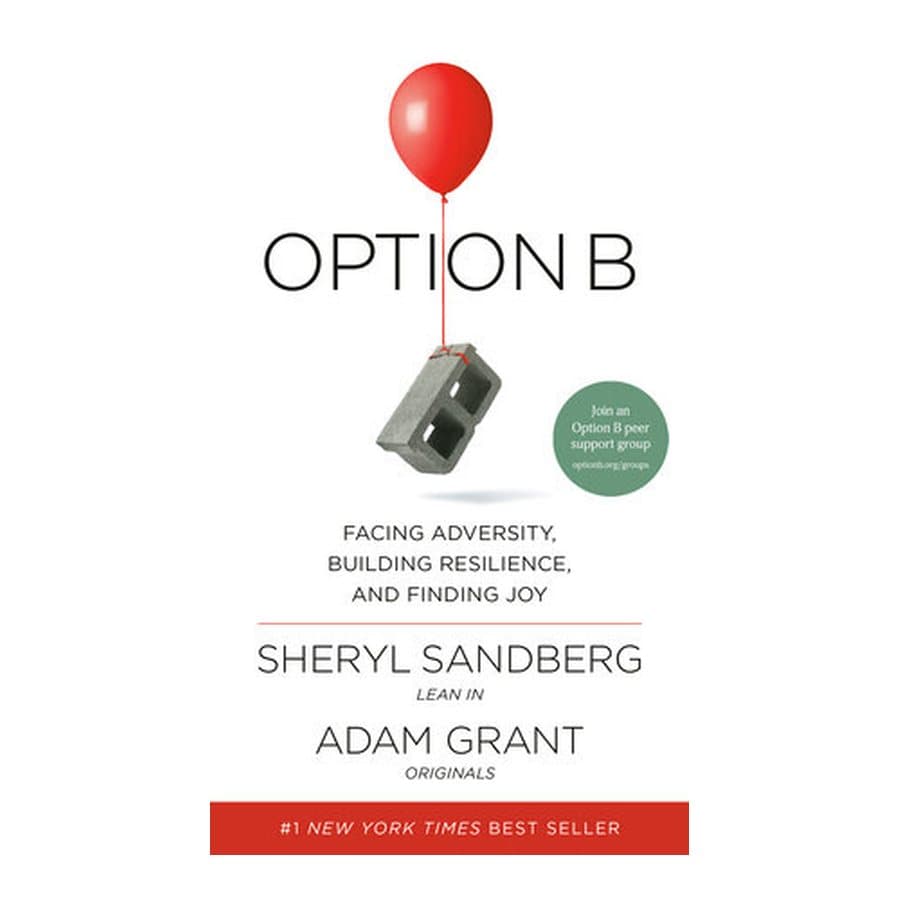
Best on resilience
6. Option B
- By Sheryl Sandberg and Adam Grant
- Personal story plus research
- Practical ideas
Sheryl Sandberg wrote Option B with psychologist Adam Grant after her husband died suddenly. It combines her story with research on resilience, including how to help children and how friends can show up.
More practical and forward-looking than most memoirs.
Buy it if
You want research-backed ideas alongside a personal story.
Skip it if
You want something quieter and more reflective.
Check price on AmazonUsually $12–$28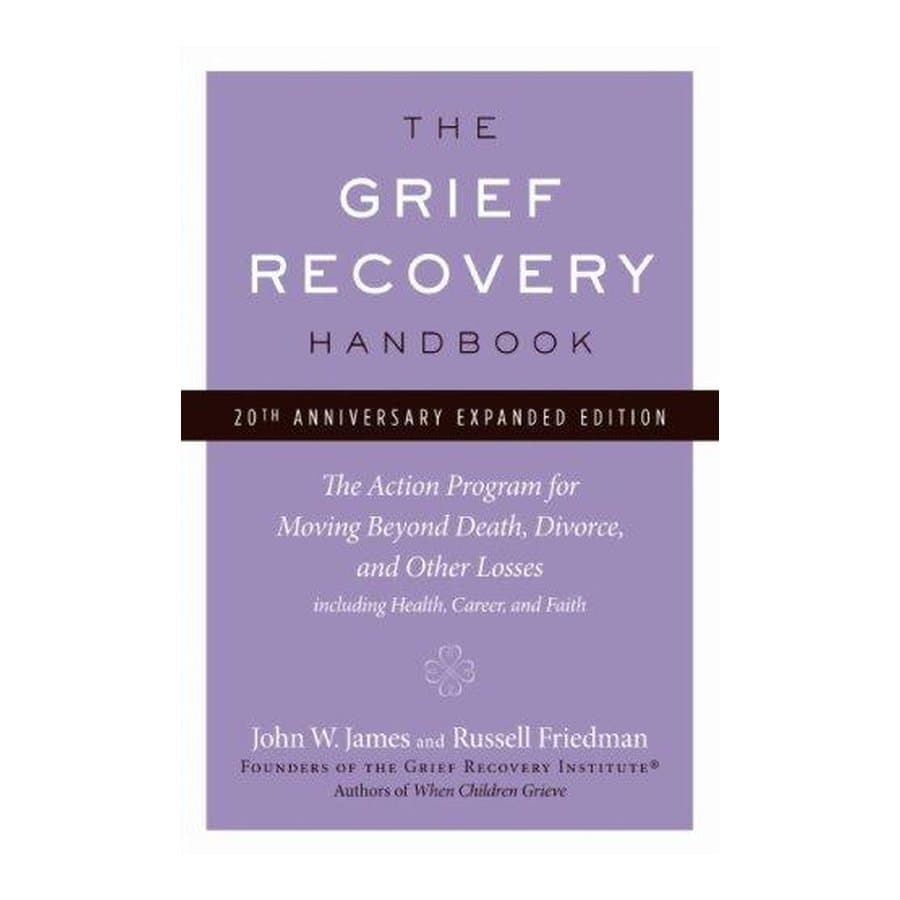
Best workbook
7. The Grief Recovery Handbook
- By John W. James and Russell Friedman
- Action-based program
- Covers many kinds of loss
The Grief Recovery Handbook offers a structured program for working through loss, including exercises for unfinished conversations and regrets. It covers death and other losses, like divorce.
Its approach is direct, which suits some people and not others.
Buy it if
You'd like exercises and a clear structure.
Skip it if
You find "recovery" language off-putting.
Check price on AmazonUsually $12–$18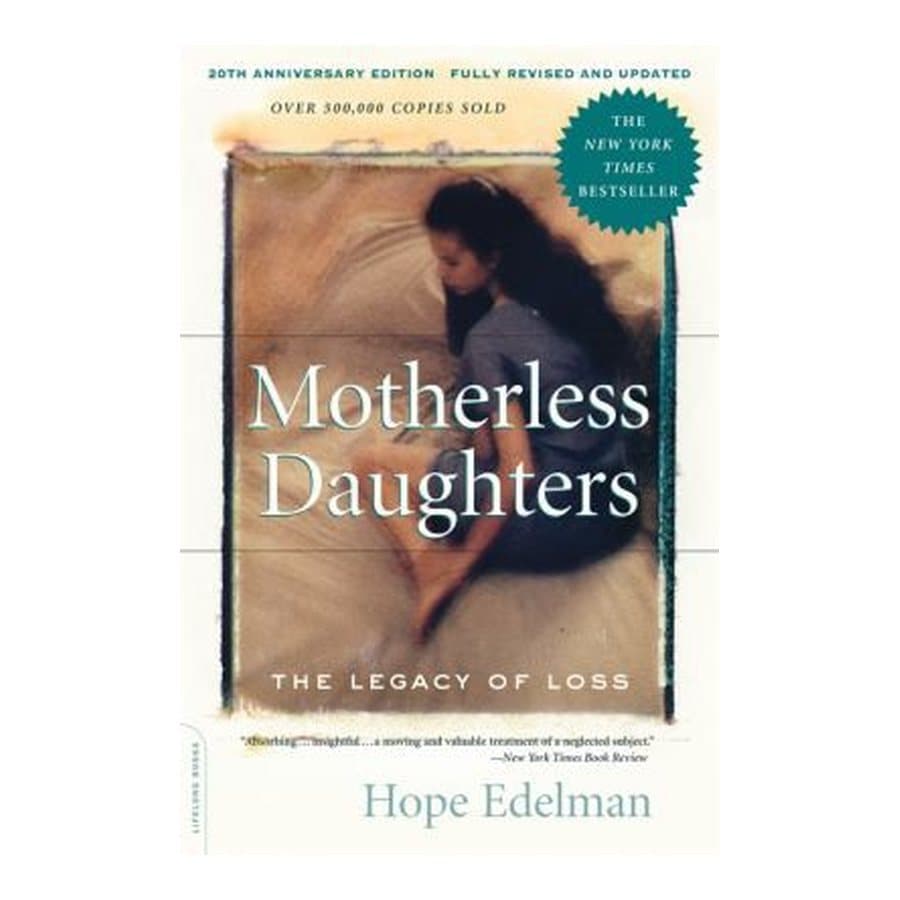
Best for losing a mother
8. Motherless Daughters
- By Hope Edelman
- Interviews with hundreds of women
- Grief across a lifetime
Hope Edelman lost her mother as a teenager and interviewed many women about how that loss shaped their lives. The book looks at how mother loss resurfaces at milestones, sometimes decades later.
Readers often describe it as the first book that made them feel understood.
Buy it if
You lost your mother, at any age.
Skip it if
Your loss is a different relationship. Start with a general book above.
Check price on AmazonUsually $12–$20
Grief and dreams
Many people dream about someone they've lost. Some dreams are distressing, replaying the death or showing the person ill. Others feel like a visit, warm and vivid and hard to forget. Both are common, and both can be part of how the mind processes loss.
If dreams of a loved one are on your mind, our guides to dreams about dead relatives talking to you and dreams about someone dying may help. Writing those dreams down in a private journal is a way to keep them.
When to reach out for more support
Grief isn't a disorder, and it doesn't follow a schedule. But if you're struggling to function months after a loss, or feel stuck, a grief counselor or support group can help. If you ever have thoughts of harming yourself, please reach out now. In the US, you can call or text 988 to reach the Suicide & Crisis Lifeline.
Have a dream of your own?
Write what you remember and get a clear reading.
How we picked
Every book here is sold on Amazon US. We chose books by writers and clinicians who have lived through loss or work closely with grieving people, covering different kinds of loss and different needs, from memoir to structured programs. We chose from the books themselves and their authors' backgrounds rather than ranking them by sales.
FAQ
What is the best book for someone grieving?
It's OK That You're Not OK by Megan Devine is a good first choice for most losses, because it validates grief rather than trying to fix it.
What's a good grief book after losing a parent?
Motherless Daughters by Hope Edelman for losing a mother. It's OK That You're Not OK and Finding Meaning speak to many kinds of loss, including parents.
Is it normal to dream about someone who died?
Yes. Dreams about loved ones who have died are very common, especially in the months after a loss.